
Ficus politoria
Ficus politoria
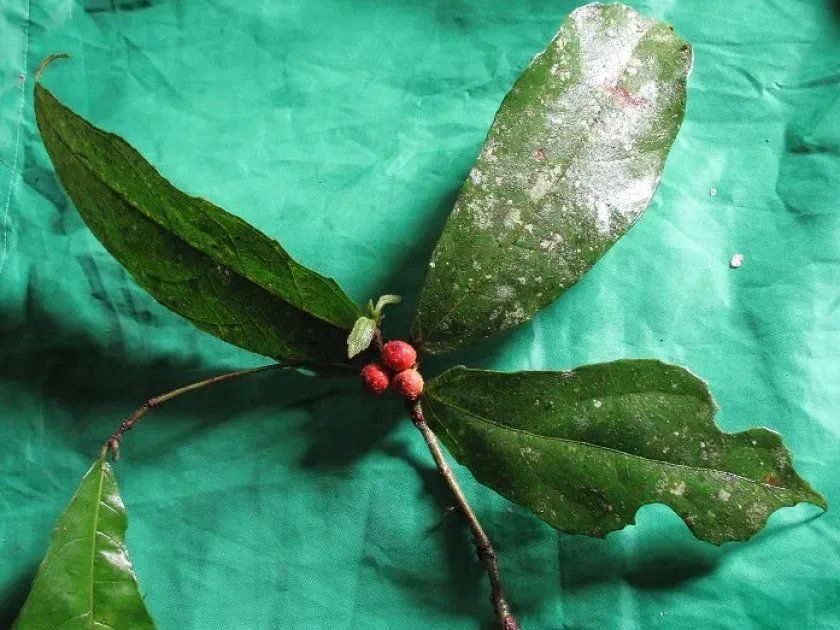
Description
Growing requirements
Ficus politoria is a prominent member of the Moraceae family, naturally occurring in dense tropical forest ecosystems. It is characterized by its robust evergreen structure and significant capacity for rapid growth when provided with adequate environmental support.
The plant thrives in regions with consistently high humidity and warm temperatures throughout the year. It requires well-drained, nutrient-rich soils that support extensive root development without risking anaerobic conditions associated with waterlogging.
Optimal growth conditions involve filtered light, which replicates the forest canopy environment to which the species is adapted. Exposure to direct, harsh midday sun can lead to leaf scorching, while extreme shade can inhibit vegetative proliferation.
Soil management for Ficus politoria should prioritize the maintenance of organic matter levels. Regular mulching and controlled moisture delivery are essential practices to sustain the health of the root system during seasonal shifts in rainfall.
As a tropical crop, the species demands protection from cold drafts and frost, which are fatal to younger specimens. Providing a stable, controlled microclimate is the primary objective for successful agricultural management of this species.
Harvesting
Historically, Ficus politoria has been valued for its fibrous bark, which is processed to create durable materials. The harvesting of bark is an artisanal process that has been passed down through generations in its native regions of cultivation.
The extraction of fibers requires careful preparation, involving soaking and mechanical separation to ensure the integrity of the material. The resulting fibers are known for their tensile strength and suitability for various handcrafted textile applications.
In contemporary settings, the plant is also cultivated for its aesthetic appeal in botanical gardens and interior landscaping. Harvesting practices in these environments focus on the strategic pruning of branches to maintain tree health and visual balance.
Seed collection is another critical aspect of the harvest cycle, ensuring the propagation of the species for future planting seasons. Seeds must be processed immediately after harvesting to maintain high viability rates for subsequent germination.
While the economic scale of cultivation is localized, the potential for utilizing the species in sustainable material production remains a subject of interest. Proper agricultural practices ensure that harvesting does not compromise the long-term survival of the trees.