
Ficus ottoniifolia
Ficus ottoniifolia
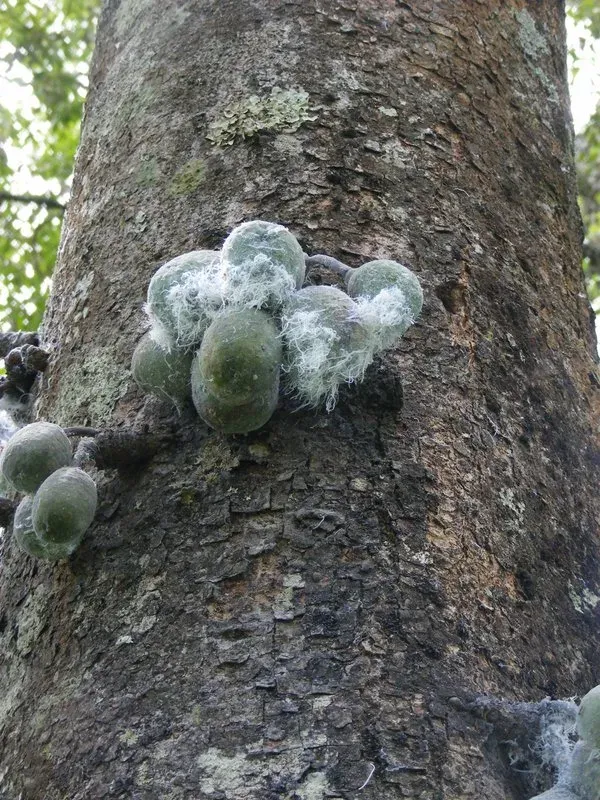
Description
Growing requirements
Ficus ottoniifolia is a tropical tree species belonging to the family Moraceae. Native to the African continent, it is widely distributed across regions ranging from Senegal to Uganda, thriving in various tropical forest habitats.
The plant requires a stable tropical climate to flourish, characterized by consistent warmth and high levels of atmospheric humidity. It lacks cold hardiness and must be protected from any temperatures dropping below 12-15 degrees Celsius.
Cultivation success depends heavily on the quality of the growing medium. A well-draining, nutrient-rich soil mix is essential for the healthy development of the fibrous root system, preventing the accumulation of water in the root zone.
Regarding light requirements, this species prefers bright, indirect sunlight. While it can adapt to lower light levels, growth rates will significantly decline, and the plant may lose its characteristic foliage density and vigor.
Horticulturally, it is utilized as an ornamental plant in temperate climate greenhouses and conservatories. Its structural beauty makes it a sought-after specimen for botanical display collections and specialized indoor landscaping projects.
Main diseases and pests
The primary pest threats to Ficus ottoniifolia include spider mites, especially in indoor environments with limited airflow and low relative humidity. These pests feed on sap and cause rapid leaf drop if left uncontrolled.
Scale insects and mealybugs are frequently observed on the stems and leaf undersides. These parasites can cause significant damage to the plant's vascular system, leading to stunted growth and yellowing of the leaves.
Fungal pathogens such as leaf spot are common when the canopy is subjected to prolonged moisture without sufficient air movement. These diseases can be managed by improving ventilation and removing affected leaves.
Root rot is perhaps the most critical threat to the survival of the plant, usually caused by overwatering or soil compaction. It leads to the rapid death of roots, often making the plant irrecoverable if not detected early.
Effective management includes integrated pest control strategies, such as using horticultural oils for soft-bodied insects and maintaining a balanced irrigation schedule to prevent the development of root-borne pathogens.