
Ficus microcarpa
Ficus microsyce
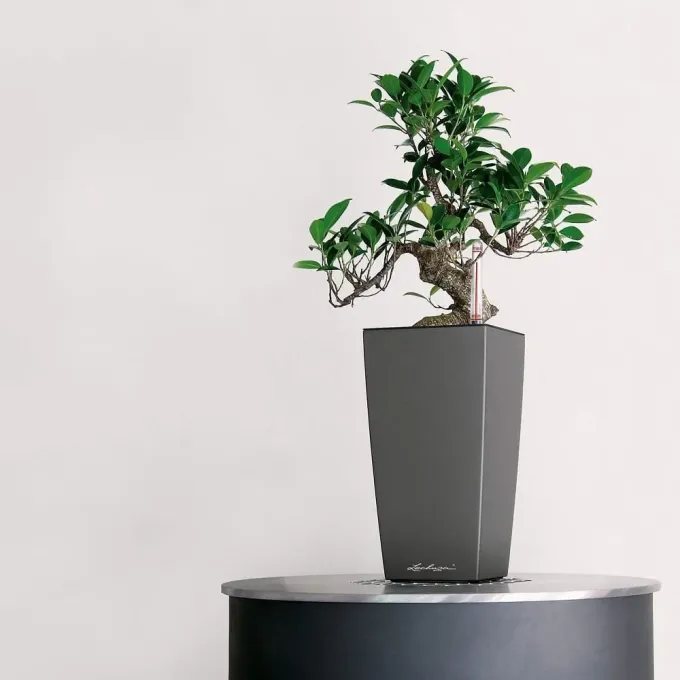
Description
Growing requirements
Ficus microcarpa is a perennial tree species belonging to the Moraceae family. Known for its extensive root system and glossy foliage, it is native to tropical regions stretching from India through Southeast Asia to Northern Australia.
Cultivation of this plant requires a stable environment with bright, indirect sunlight. While it can tolerate partial shade, optimal growth occurs in temperatures between 20 and 28 degrees Celsius, avoiding any exposure to cold drafts.
The soil substrate must be highly permeable, allowing for rapid drainage to prevent waterlogging. A blend of peat, bark, and perlite is commonly used in industrial propagation to ensure roots receive adequate oxygenation.
Agronomic management includes a controlled irrigation schedule where the top layer of soil is allowed to dry out between waterings. Regular pruning is essential to maintain the desired structural shape of the canopy.
The species serves various horticultural purposes, including landscape decoration in tropical climates and as a high-value specimen for bonsai cultivation. Its ability to thrive in containers makes it a staple in global indoor plant markets.
Main diseases and pests
The primary pests affecting Ficus microcarpa include scale insects and spider mites. These pests thrive in dry environments and can severely weaken the plant by feeding on its sap, causing yellowing leaves.
Root rot represents the most significant pathological threat to the crop, typically triggered by overwatering. It results in the blackening of roots and eventual collapse of the plant's vascular system.
Fungal leaf spot diseases occur frequently in high-humidity conditions with poor air circulation. Effective control requires prompt removal of infected leaves and the application of systemic fungicides.
Integrated pest management protocols emphasize the importance of monitoring underside leaf surfaces. Maintaining proper sanitation of the growing area significantly reduces the likelihood of pest outbreaks.
To ensure long-term health, growers must provide consistent conditions. Fluctuations in humidity and temperature are known to cause leaf drop, making stability the key to successful cultivation.