
Ficus hybrids
Ficus hybrids
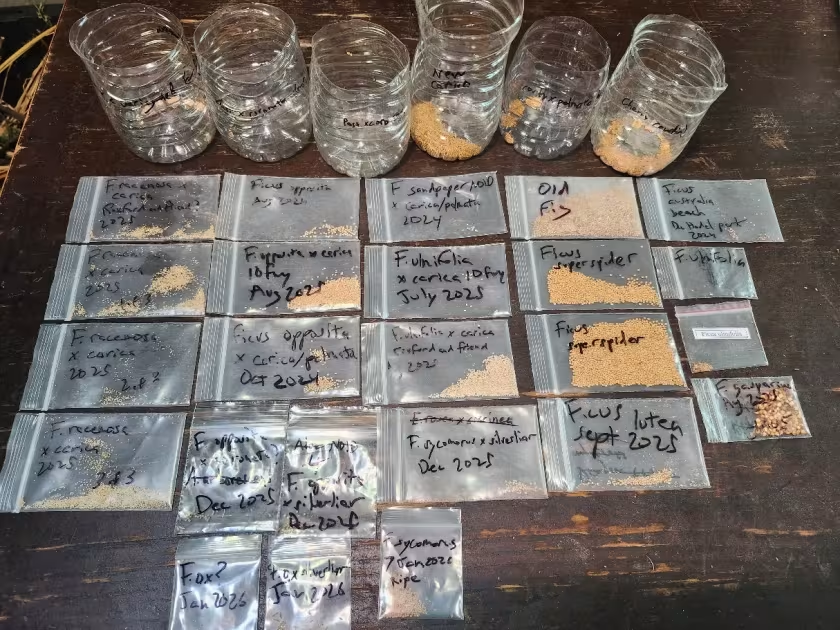
Description
Growing requirements
Ficus hybrids are selectively bred varieties belonging to the Moraceae family. These plants are engineered for superior ornamental appeal and enhanced tolerance to diverse indoor microclimates compared to their wild species counterparts.
Environmental requirements focus on maintaining a stable ambient temperature, ideally between 18°C and 25°C. These hybrids are highly sensitive to sudden thermal shocks, which can trigger significant physiological stress and subsequent leaf drop.
Lighting conditions are critical for Ficus hybrids; they thrive in bright, indirect light. While some varieties can tolerate moderate shade, sufficient light intensity is necessary to prevent etiolation and to maintain the specific variegation patterns characteristic of the hybrid.
The substrate must provide a balance between moisture retention and aeration. A high-quality potting mix usually consists of peat, perlite, and well-composted bark, which promotes healthy root development and prevents compaction in the container.
Irrigation management involves watering when the substrate surface feels slightly dry to the touch. It is imperative to avoid water stagnation, as these hybrids are highly susceptible to hypoxic conditions in the root zone.
Main diseases and pests
Pests represent a significant challenge in Ficus hybrid cultivation, with spider mites, mealybugs, and scale insects being the most common. These organisms thrive in low-humidity environments and can rapidly compromise plant vitality.
Fungal diseases, including anthracnose and Cercospora leaf spot, typically emerge under conditions of poor air circulation and excessive foliage moisture. Prompt identification and removal of affected leaves are essential to prevent the spread of pathogens.
Root system disorders, particularly those caused by Pythium or Phytophthora species, are usually triggered by over-irrigation. Prevention is based on strict adherence to the drying-out cycles of the growing medium between watering events.
Virus-like symptoms, such as distorted leaves or unusual patterns, may occur in some hybrids due to environmental stress or vector-transmitted agents. Maintaining clean tools and isolating new plants are fundamental biosecurity measures.
Integrated pest management, combining physical cleaning of foliage and the judicious use of horticultural oils or systemic insecticides, remains the most effective strategy for maintaining plant health.