
Ficus hispida
Ficus hispida
Description
Growing requirements
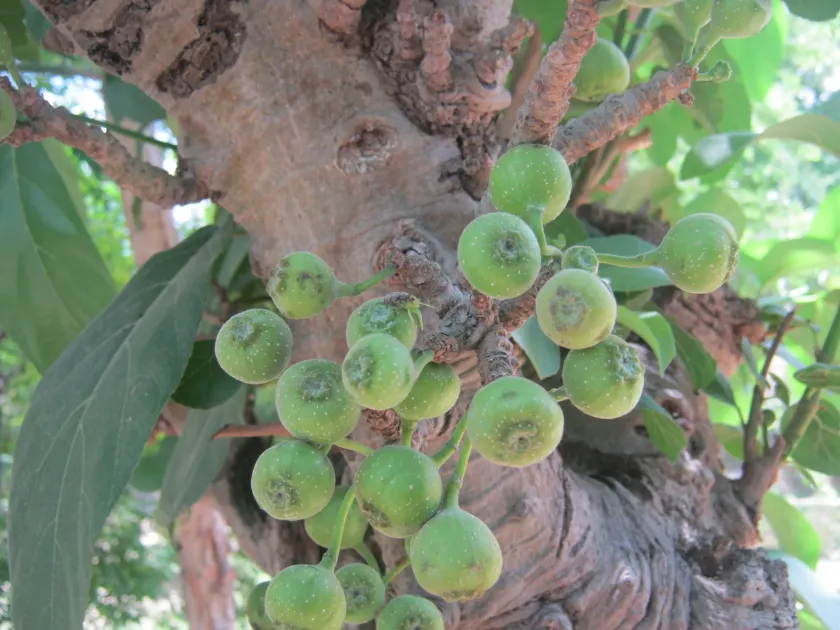
Ficus hispida, commonly known as the hairy fig, is a member of the Moraceae family. This species typically grows as a shrub or small tree and is distinguished by its scabrous (rough) leaves and stems, which give the plant a distinct texture unlike many other smooth-leaved Ficus species.
Native to tropical regions ranging from Southeast Asia to Northern Australia, this plant thrives in environments characterized by high humidity and consistent warmth. It is naturally found in riparian zones and forest understories, which dictates its specific needs in an agricultural setting.
For successful cultivation, the soil should be well-drained, nutrient-rich, and maintained at a slightly acidic to neutral pH level. The plant does not tolerate waterlogging, so ensuring a porous substrate composition is essential for the long-term health of the root system.
Agrotechnical management includes regular fertilization during the growth phases and strategic pruning to manage canopy density. Maintaining an ambient temperature between 22°C and 28°C is crucial for optimal photosynthesis and the overall vigor of the plant.
The hairy fig has significant utility, particularly in traditional medicine where its fruits, leaves, and bark are utilized for their pharmacological properties. It is studied for its anti-diabetic and anti-inflammatory potential, making it a plant of interest in both agricultural and biomedical sectors.
Main diseases and pests
Common pests include spider mites and scale insects, which frequently infest plants kept in conditions with low atmospheric humidity. Regular monitoring and the application of neem oil or targeted acaricides can effectively control these populations.
Fungal leaf spot diseases may appear during periods of excessive rainfall or poor greenhouse ventilation. Mitigation involves ensuring adequate spacing between plants to encourage airflow and preventing water accumulation on leaf surfaces to reduce the risk of spore germination.