
Ficus habrophylla
Ficus habrophylla
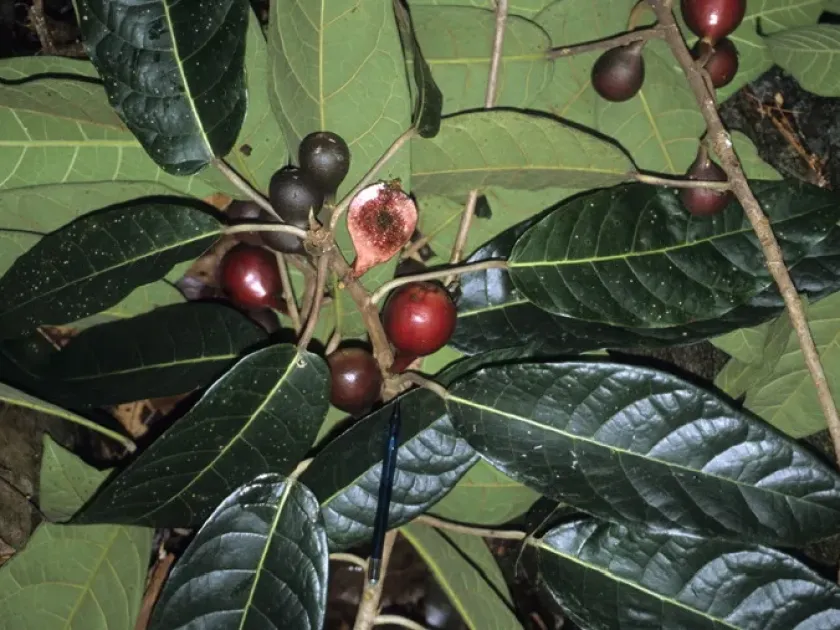
Description
Growing requirements
Ficus habrophylla is a distinct species belonging to the Moraceae family. Originating from the tropical regions of the Pacific, this plant species thrives in environments characterized by constant humidity and moderate-to-high temperatures throughout the year.
The botanical structure of this species typically features dense foliage and a robust root system adapted to tropical soils. It is classified as an evergreen woody plant, requiring specific environmental conditions to maintain its natural cycle of growth and leaf development.
Climate requirements include protection from cold drafts and direct frost exposure. The optimal growth performance is achieved when ambient temperatures remain above 20 degrees Celsius, which is typical for its indigenous range in the Oceanic islands.
Regarding soil management, Ficus habrophylla demands well-draining, nutrient-rich soil compositions. It is essential to avoid water stagnation, as the root system is susceptible to decay if the drainage system in the potting mix or field site is inadequate.
Agronomic practices for this species focus primarily on ornamental production and botanical preservation. While not a primary agricultural crop for mass production, it remains a significant taxon for botanical research and specialized nursery cultivation.
Main diseases and pests
Common pests affecting this plant include scale insects and spider mites, which can proliferate quickly in indoor or glasshouse environments if the humidity levels are insufficient.
Disease management involves controlling fungal pathogens that often appear due to overwatering or lack of proper light. Using systemic fungicides and maintaining a healthy microclimate are primary strategies for ensuring plant health.