
Ficus drupacea
Ficus drupacea
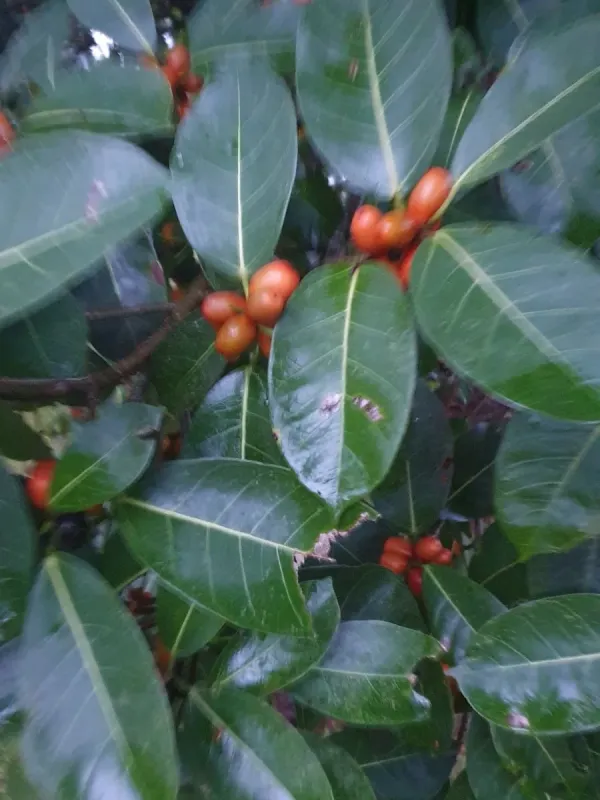
Description
Growing requirements
Ficus drupacea is a prominent species within the Moraceae family, known for its status as a large evergreen tropical tree. In its natural habitat, it often begins as an epiphyte, eventually developing a robust trunk and an extensive network of aerial roots that provide structural support.
The native range of this species extends across the tropical regions of Asia, including India, Southeast Asia, and parts of the Pacific. To thrive, the plant requires consistent warmth and high humidity, mirroring its natural environment, and cannot tolerate frost or significant temperature fluctuations.
Agricultural success with Ficus drupacea depends on providing well-drained, nutrient-rich soil. The plant thrives in substrates that are slightly acidic to neutral, requiring high permeability to prevent moisture buildup that could lead to physiological stress in the root system.
Requirements for lighting include bright, indirect sunlight. While the species is relatively adaptable, intense direct sun in tropical zones may cause leaf scorch, whereas inadequate light leads to spindly growth and loss of foliage density, which is critical for its ornamental value.
The economic and agricultural utility of Ficus drupacea is primarily centered on ornamental horticulture and landscape design in tropical climates. It is highly valued in parks and large indoor botanical collections for its structural complexity, rapid biomass production, and effectiveness in carbon sequestration in urban green spaces.
Main diseases and pests
The primary threats to Ficus drupacea include root rot, often caused by overwatering or poor drainage. Fungal diseases, such as leaf spot, are also prevalent, especially in high-humidity conditions where airflow is restricted, leading to leaf drop and decreased plant vigor.
Pest pressures primarily come from spider mites, which exploit dry conditions to colonize the underside of leaves. Scale insects and mealybugs are also common threats that feed on plant sap, leading to stunted growth, leaf yellowing, and the promotion of sooty mold growth on excreta.
Management strategies focus on early detection and integrated pest management (IPM). Regular inspection of leaves, coupled with the application of appropriate systemic insecticides and fungicides, is necessary to mitigate significant damage during periods of high vulnerability.
Maintaining high hygiene standards in nurseries is essential, including the disinfection of tools used for pruning. Proper spacing between individual plants ensures better air circulation, which naturally lowers the incidence of fungal and bacterial infections.
Nutritional management is also linked to plant health. Providing a balanced fertilizer regimen helps the plant build stronger cell walls, making it more resistant to mechanical injury and the piercing-sucking mouthparts of various insect pests common in greenhouse environments.