
Ficus crassiramea
Ficus crassiramea
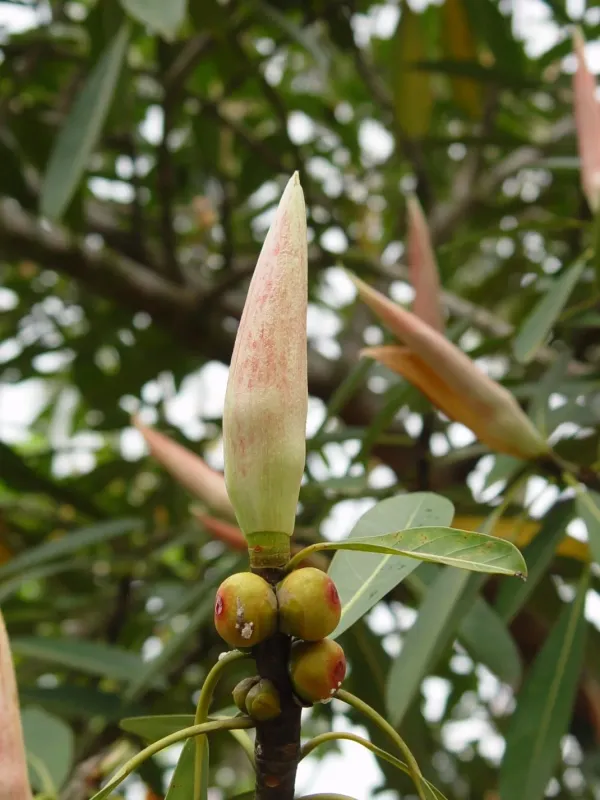
Description
Growing requirements
Ficus crassiramea, commonly known as the thick-branched fig, is a robust evergreen tree species belonging to the Moraceae family. It is widely recognized for its impressive size and potential to thrive as a hemiepiphyte in dense tropical forests.
This species originates from the tropical regions of Southeast Asia, including parts of Indonesia and the Philippines. Its natural habitat dictates a strong preference for high humidity and tropical thermal conditions without extreme cold exposure.
Successful cultivation requires a location with ample indirect sunlight to maintain its dense foliage growth. While it adapts to various soil types, the ideal substrate must be well-draining, nutrient-rich, and capable of holding consistent moisture without waterlogging.
Agricultural management includes periodic pruning to shape the canopy and maintain structure, especially when grown as an ornamental specimen in landscaping. Controlled fertilization during the peak growth season is essential for supporting its rapid biomass development.
The economic value of this culture lies primarily in urban planning and reforestation projects within its native climate zones. It serves as an excellent shade tree and contributes significantly to the biodiversity of local tropical environments.
Main diseases and pests
Major phytosanitary threats to Ficus crassiramea include sap-sucking pests such as scale insects and spider mites. These pests thrive in dry environments and can cause premature leaf drop if not managed through integrated pest control strategies.
Root system vulnerability is a significant concern; fungal pathogens can thrive in overly saturated soils, leading to root rot and eventual tree decline. Proper irrigation scheduling and soil drainage are the primary methods for mitigating these biological risks.