
Ficus copiosa
Ficus copiosa
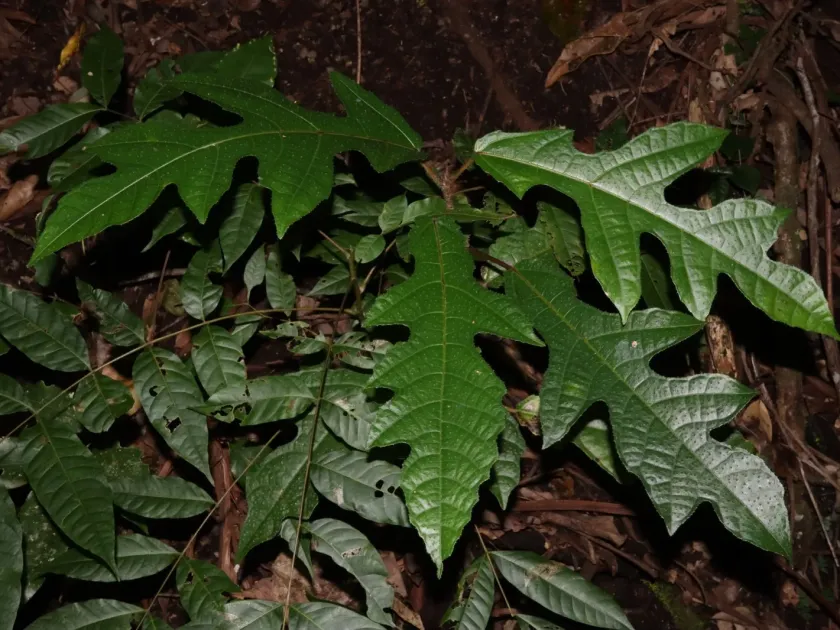
Description
Growing requirements
Ficus copiosa belongs to the Moraceae family. It is a tree or shrub native to the tropical forests of Oceania, primarily found in Papua New Guinea and the Solomon Islands.
The species requires a warm, humid climate to thrive, typical of lowland rainforest environments. It is highly adapted to tropical regions with high annual rainfall and consistent temperatures throughout the year.
Soil requirements involve well-drained, nutrient-rich substrates. While the plant can tolerate a variety of soil types, it performs best in soils with high organic matter content and moderate moisture levels.
Ficus copiosa is a sun-loving species that appreciates exposure to bright, indirect or direct sunlight. Its rapid growth makes it a suitable candidate for areas where fast vegetation cover is required.
Horticultural management focuses on maintaining soil moisture and protecting the root system from compaction. Regular mulching is recommended to simulate the natural forest floor and support healthy root development.
Yield
The primary agricultural use of Ficus copiosa is the consumption of its fruit. The syconia are edible and serve as a supplemental food source in traditional diets within its native range.
Yield capacity is relatively stable when the plant is given sufficient space and light. Proper pruning can significantly enhance fruiting by encouraging the development of lateral branches.
Beyond fruit production, the leaves are occasionally used in ethnobotanical practices for their medicinal properties. The plant also acts as a shade tree in agroforestry setups, protecting more sensitive crops.
The wood of the tree is lightweight and sometimes utilized for local craft projects. However, its main value remains in providing ecosystem services and food security in tropical village environments.
Propagation is efficient via cuttings or seeds, allowing for rapid plantation expansion. The plant's ability to recover quickly from environmental stress makes it a reliable choice for local cultivation.
Main diseases and pests
Ficus copiosa is prone to common pests such as spider mites, mealybugs, and scale insects, particularly when grown in environments with poor ventilation or low humidity.
Root rot caused by waterlogged soil is a significant threat to this species. Ensuring excellent drainage is the most effective preventative measure against fungal soil-borne pathogens.
Leaf spot diseases can occur during prolonged periods of high humidity and rainfall. These pathogens thrive on wet foliage and can lead to premature leaf drop if not managed correctly.
Caterpillars and other foliage-chewing insects can damage younger plants during the active growing season. Integrated pest management, including natural predators, is recommended for sustainable results.
- Improving airflow through selective pruning.
- Monitoring for signs of sap-sucking pests.
- Ensuring proper drainage to prevent root-zone saturation.