
Ficus consociata
Ficus consociata
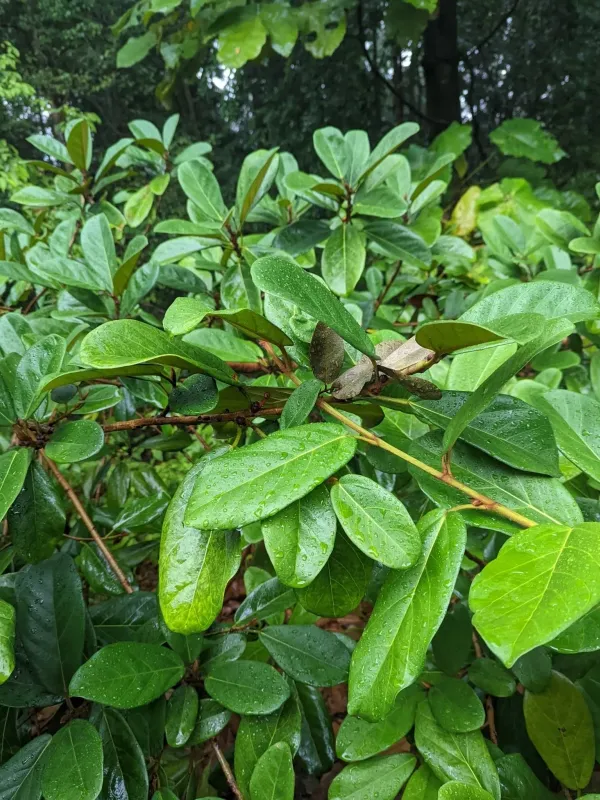
Description
Growing requirements
Ficus consociata is a member of the Moraceae family, known for its significant role in tropical forest ecosystems. It typically originates from the rainforests of Southeast Asia, where it thrives in humid environments.
This species requires a tropical climate with consistent temperatures ranging from 22 to 28 degrees Celsius. Stability in environmental conditions is crucial to prevent physiological stress in the plant during its active growth phases.
Soil requirements involve well-drained, nutrient-rich substrates with a neutral or slightly acidic reaction. Good aeration of the root system is essential, as waterlogging can be detrimental to the health of the tree.
Regarding lighting, Ficus consociata prefers bright, filtered sunlight. Excessive direct exposure in early stages of development can lead to leaf scorching, therefore, partial shading is recommended in commercial nursery settings.
Economically, the species is primarily managed for conservation purposes and as a representative of tropical biodiversity, contributing to the structural complexity of managed landscapes in tropical regions.
Main diseases and pests
Pest management for Ficus consociata focuses on controlling common threats such as scale insects, spider mites, and mealybugs. These pests thrive in indoor environments or dry periods, requiring close monitoring.
Fungal infections, specifically root rot, are the most frequent causes of tree decline. This is usually associated with poor drainage or excessive irrigation practices that inhibit oxygen flow to the root system.
Chemical control involving systemic fungicides and specialized insecticides is common when infestations or infections exceed economic thresholds. Integrated pest management (IPM) techniques are preferred.
Sanitation is a vital cultural practice. Removing fallen leaves and pruning dead wood reduces the survival rate of pathogens and prevents the spread of diseases within the planting area.
Proper plant spacing ensures adequate air circulation, which is one of the most effective preventive measures against the development of mold and mildews in tropical tree crops.