
Ficus caulocarpa
Ficus caulocarpa
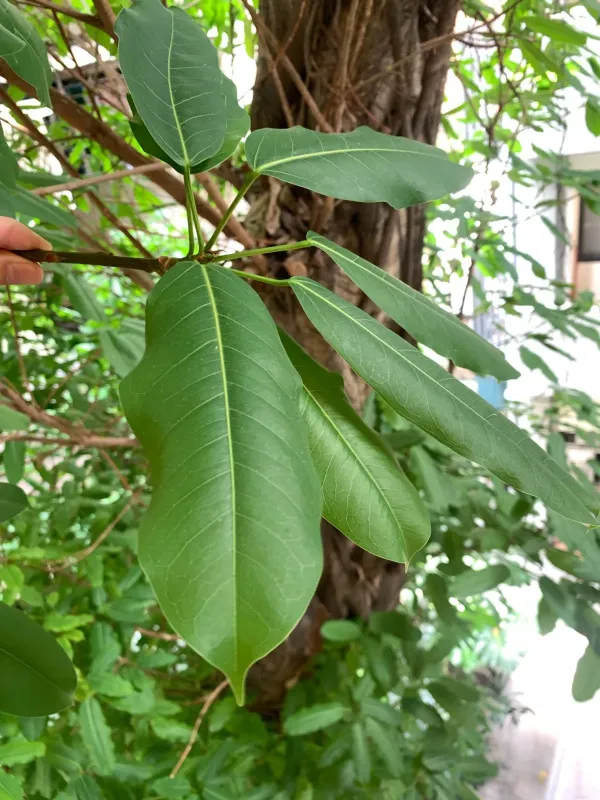
Description
Growing requirements
Ficus caulocarpa is a prominent evergreen tree species belonging to the Moraceae family. Known for its extensive canopy and vigorous growth, it plays a vital role as a shade-providing tree in its native tropical environments across Asia and the Pacific Islands.
The plant thrives in tropical and subtropical climates where temperatures remain consistently warm throughout the year. It does not possess any frost tolerance, making its cultivation area restricted to regions where the mercury rarely drops below 15 degrees Celsius.
Soil requirements for optimal growth include deep, well-draining, and nutrient-rich substrates. While the tree can adapt to various soil types, its productivity and overall vitality are maximized in locations with moderate humidity and high organic matter content in the soil profile.
Agronomic management of this culture involves regular monitoring of soil moisture and, in commercial nursery settings, careful spacing to ensure that each specimen receives sufficient light. Proper irrigation management is critical, especially during the establishment phase of young trees.
The economic value of Ficus caulocarpa lies largely in its ornamental and ecological applications. It is frequently utilized in urban planning to provide cooling shade in public parks and as part of reforestation efforts intended to restore degraded tropical landscapes.
Main diseases and pests
Common pests associated with this species include scale insects and spider mites, which can cause significant stress to the tree if infestations are left unchecked. Integrated pest management strategies are often implemented to maintain the health of the foliage and prevent stunted growth.
Pathogenic threats include leaf spot diseases, typically triggered by prolonged excessive humidity and poor ventilation within the dense foliage. Maintaining proper canopy spacing and regular sanitary pruning are essential practices for reducing the prevalence of fungal infections.