
Ficus callosa
Ficus callosa
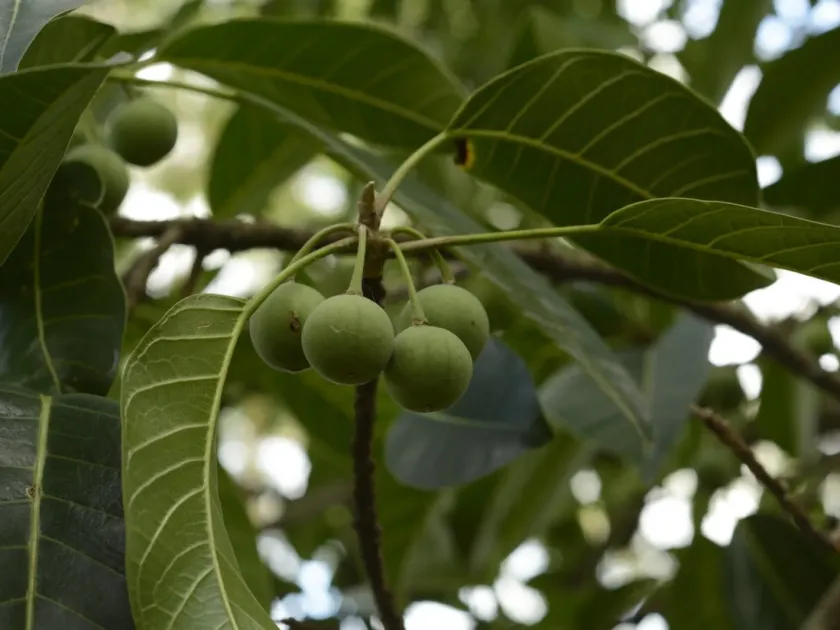
Description
Growing requirements
Ficus callosa, belonging to the Moraceae family, is a significant tropical tree species native to the rainforests of Southeast Asia. It is widely recognized for its robust growth habit and distinct foliage characteristics.
The species requires a tropical climate with consistent humidity and warmth to thrive. It performs best in well-drained, nutrient-rich soils that allow for extensive root system expansion, which is essential for supporting its large canopy.
Agronomic management involves selecting sites with adequate access to indirect light, as direct scorching sunlight can stress young saplings. Proper spacing is crucial to prevent competition for resources in plantation settings.
Botanically, Ficus callosa is distinguished by its leathery leaves with callose dots along the margins, from which its Latin name is derived. The tree is capable of reaching a substantial height and girth, making it a prominent feature in tropical landscapes.
Maintenance includes periodic fertilization with organic-based supplements to foster healthy development. Propagation is typically managed via seeds or cuttings under controlled greenhouse conditions where humidity is strictly regulated.
Main diseases and pests
Major threats to Ficus callosa health include fungal pathogens that cause leaf spot diseases, especially prevalent during the monsoon season or in poorly ventilated areas.
Insect pests, such as mealybugs and scale insects, frequently target the succulent growth tips and leaf undersides, potentially weakening the host tree if left unchecked.
Root rot, induced by waterlogged soil conditions, poses the most significant risk to plantation longevity. Ensuring proper subterranean drainage is the primary defense strategy.
Boring beetles can cause structural damage to the trunk and main branches, which may facilitate secondary infections by bacteria or additional fungi.
Integrated Pest Management (IPM) practices, including the removal of infested plant parts and the application of systemic fungicides, are recommended for large-scale operations.