
Ficus arnottiana
Ficus arnottiana
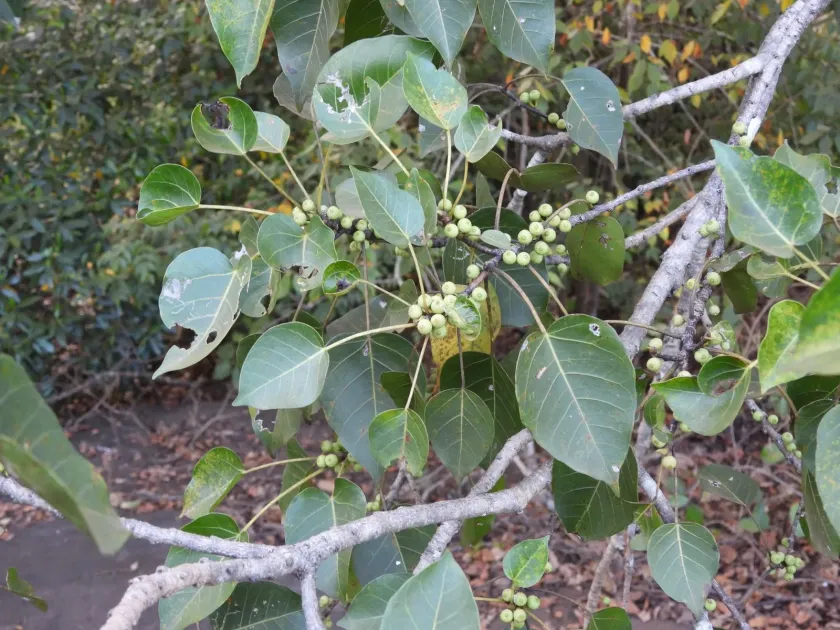
Description
Growing requirements
Ficus arnottiana, commonly known as Arnold's fig, is a distinct plant species belonging to the Moraceae family. It is known for its graceful, heart-shaped leaves and is often found growing in rocky, challenging environments within its native range.
The species originates from India and other parts of Southeast Asia. It is naturally adapted to flourish in rocky crevices and cliff faces, which makes it an excellent candidate for specialized ornamental horticulture and bonsai cultivation.
This tree requires substantial sunlight to thrive. Unlike many forest-dwelling figs, Ficus arnottiana benefits from exposure to bright light, which promotes healthy foliage development and maintains the structural integrity of its branches.
Temperature requirements are strictly tropical. The plant should be kept in warm conditions, ideally above 15 degrees Celsius. It is not cold-hardy and should be protected from any exposure to frost or freezing winds to prevent irreversible tissue damage.
The substrate must prioritize drainage above all else. A porous mix consisting of inorganic grit, pumice, and high-quality organic matter is recommended to ensure that water does not linger around the root system, preventing common moisture-related issues.
Main diseases and pests
Common pests that plague Ficus arnottiana include spider mites, which thrive in dry indoor air. These tiny pests weave delicate webs between leaves and cause discoloration, often leaving the plant looking dull and dehydrated.
Scale insects are another frequent threat to this species. They appear as small, brownish bumps on stems and leaves, extracting nutrients and often leaving behind a sticky residue known as honeydew, which can attract secondary fungal growth.
Fungal leaf spot infections can occur if the foliage remains wet for prolonged periods without adequate air circulation. Small, dark lesions on the leaves are the primary symptoms, and affected areas should be removed immediately to stop the spread.
Overwatering is the primary cause of physiological decline. Root rot is difficult to reverse, so it is essential to allow the top layer of the soil to dry out significantly between watering sessions to ensure the roots remain oxygenated.
To maintain a healthy specimen, practice consistent pest monitoring and maintain balanced humidity levels. In case of infestation, use targeted horticultural oils or insecticidal soaps, ensuring thorough coverage of all leaf surfaces and stems.