
Fernelia buxifolia
Fernelia buxifolia
Description
Growing requirements
Fernelia buxifolia is a rare shrub belonging to the Rubiaceae family. This species is native to the Mascarene Islands, specifically Mauritius and Rodrigues, where it thrives in rocky habitats.
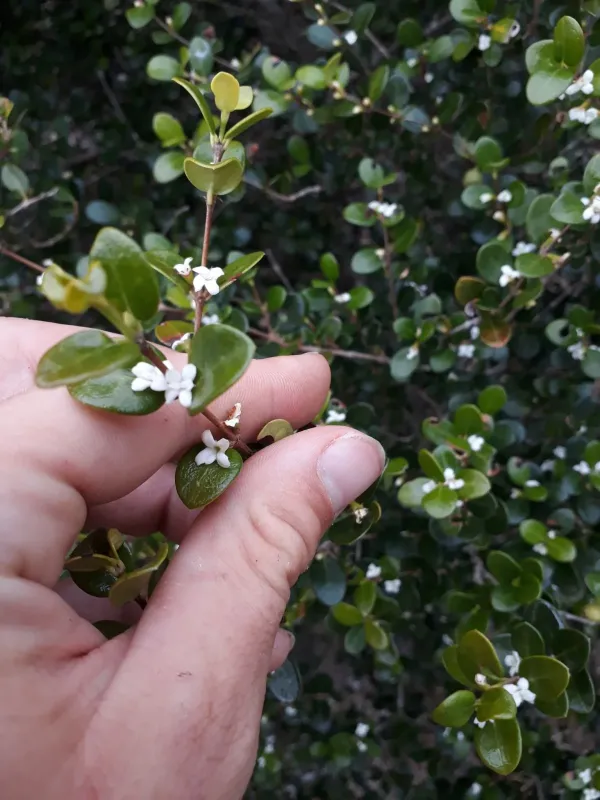
Botanically, it is characterized by dense, small, box-like evergreen leaves and a woody structure that allows it to tolerate harsh conditions in its natural environment.
Cultivation requires well-draining, calcareous-rich soil that mimics its native limestone outcrops. Providing excellent aeration for the roots is the primary success factor.
The plant demands a warm climate with consistent temperatures, typically between 20°C and 28°C. It is strictly a non-hardy plant that requires greenhouse conditions in cooler regions.
Moderate light intensity is preferred; while the plant enjoys sunshine, protection from scorching midday heat is recommended to maintain the deep green color of the foliage.
Main diseases and pests
Common pests associated with this culture include scale insects and mealybugs, which tend to congregate on the stems and the undersides of the leaves.
Excessive humidity combined with poor airflow often leads to the development of fungal leaf spot pathogens, which can severely compromise the plant's aesthetic value.
Root rot is the most common physiological disorder, usually resulting from overwatering or poorly structured soil media that retains too much moisture.
Integrated pest management, including regular inspection and the use of insecticidal soaps, is the recommended strategy for keeping the population of pests at a negligible level.
Maintaining a stable environment is crucial to minimize stress, as weakened plants are significantly more susceptible to opportunistic infections and pest infestations.
Harvesting
The primary use of Fernelia buxifolia is in horticultural collections and high-end landscaping, where it is prized for its slow growth and compact, architectural form.
Due to its dense branching, it is an excellent subject for formal pruning, hedging, and the art of bonsai, making it a valuable asset for specialized botanical nurseries.
Propagation is primarily achieved through stem cuttings during the active growing season. This ensures that the progeny maintain the desired characteristics of the parent plant.
Harvesting for multiplication requires careful selection of semi-hardwood cuttings that have been properly acclimatized to the greenhouse environment.
The plant's ornamental value remains high throughout the year, allowing for continuous display in controlled environments such as conservatories or private botanical gardens.