
Feliciadamia stenocarpa
Feliciadamia stenocarpa
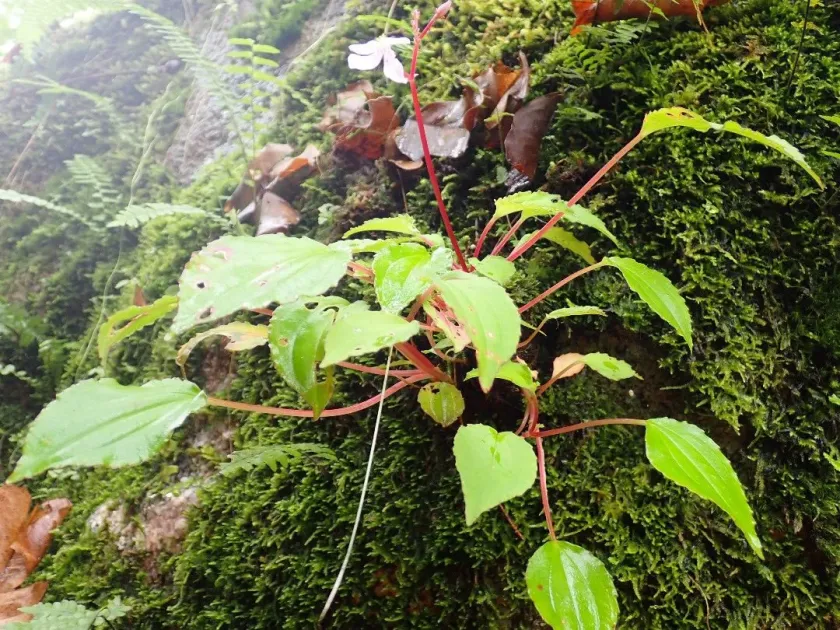
Description
Sowing dates
Sowing Feliciadamia stenocarpa requires precise timing to align with the start of the frost-free growing season. The optimal soil temperature for germination generally ranges between 15 and 18 degrees Celsius, ensuring rapid and uniform emergence of seedlings across the field.
Seeding depth is a critical parameter, usually recommended at 2 to 3 centimeters to allow the seed to access sufficient moisture without excessive energy expenditure. Proper soil contact is facilitated by light rolling immediately after the sowing process to optimize capillary water uptake.
Modern precision planters are utilized to ensure uniform plant spacing, which optimizes nutrient distribution and reduces competition within the rows. This mechanical approach is essential for achieving the standardized yields required for commercial production.
In regions with cooler spring climates, greenhouse propagation followed by transplanting is a viable alternative to direct seeding. This method significantly shortens the field stage of development and protects sensitive young plants from unpredictable early-season weather events.
Integrated seed treatment strategies, including the use of bio-stimulants, are recommended to improve seedling vigor and enhance resistance against soil-borne pathogens. Such interventions ensure a healthy start to the crop's development cycle.
Growing requirements
The crop thrives in well-drained sandy loam or light loam soils with a neutral pH profile. Adequate aeration and soil structure are paramount for maintaining a robust root system and preventing the physiological stresses associated with waterlogging.
Feliciadamia stenocarpa is a heliophilic species, necessitating full sun exposure for optimal growth and fruit development. Inadequate light availability directly correlates with reduced yield potential and delayed physiological maturity of the plant components.
Water management is best handled through drip irrigation systems, which provide localized and consistent moisture levels to the roots. This precise method prevents over-saturation of the foliage and significantly reduces the incidence of moisture-related fungal diseases.
Fertilization regimes should be customized based on soil analysis to provide a balanced supply of nitrogen, phosphorus, and potassium. Supplementing with essential micronutrients ensures that the plant expresses its full genetic yield potential during the generative phase.
Wind protection is an often overlooked but necessary requirement for high-yielding fields. Planting windbreaks or utilizing natural landscape features can mitigate mechanical damage to the stems and help maintain a consistent microclimate surrounding the crop canopy.
Main diseases and pests
The primary threats to crop health include root rot and other moisture-driven fungal pathogens. Maintaining optimal drainage is the most effective preventative measure against these diseases, as standing water serves as a catalyst for infection.
Pest pressures are primarily caused by aphid populations and specific nematode species that can inhibit plant growth. Regular monitoring of leaf tissues and root zones allows for early detection, enabling farmers to intervene with targeted biological control methods.
Crop rotation remains the cornerstone of sustainable management, preventing the buildup of soil-borne pathogens in the field. Rotating with non-host species every few years is standard practice to preserve soil health and minimize reliance on chemical pesticides.
Sanitation practices, including the removal of crop debris post-harvest, significantly reduce the wintering sites for various agricultural pests. This proactive approach lowers the initial disease pressure for the following planting season.
The implementation of integrated pest management (IPM) strategies, which prioritize natural predators and environmentally friendly treatments, supports both the long-term viability of the farm and the production of a clean, high-quality agricultural product.