
Cymo buckwheat
Fagopyrum cymosum
Description
Sowing dates
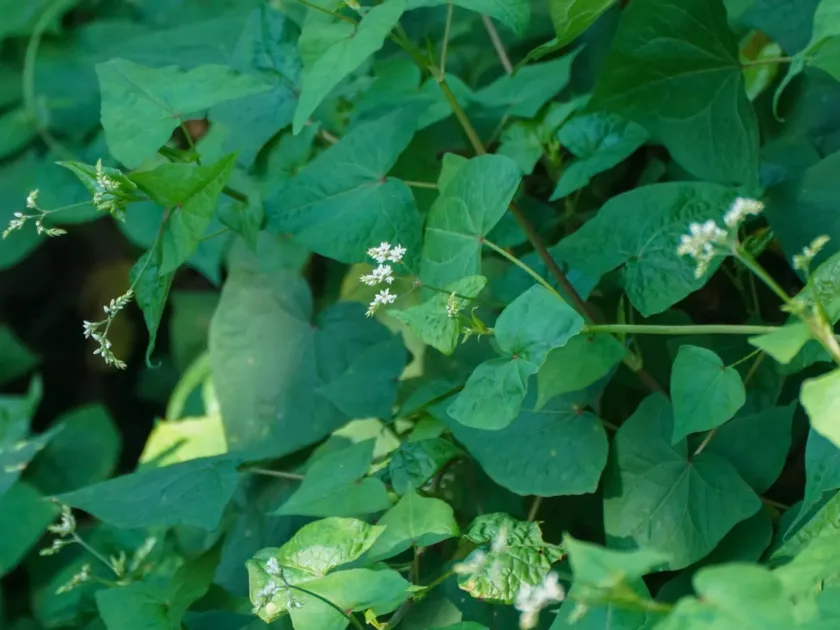
Cymo buckwheat, scientifically known as Fagopyrum cymosum, is a perennial herbaceous plant belonging to the Polygonaceae family. Unlike common annual buckwheat, this species develops a robust root system, allowing it to overwinter and regrow for several years.
The optimal sowing time is during the spring when soil temperatures stabilize at around 10-12 degrees Celsius. Sufficient soil moisture is crucial during the germination stage to ensure a uniform and healthy stand.
A row-cropping method is recommended for large-scale cultivation. This approach facilitates mechanical weeding and cultivation between rows, which is particularly vital during the establishment year of the crop.
Seeds should be planted at a depth of 3-4 centimeters. Placing seeds at the correct depth promotes strong root development and prevents the seedlings from exhausting their energy reserves before reaching the surface.
In regions with milder winters, late autumn sowing might be considered, provided that environmental conditions prevent premature germination, which could be damaged by frost.
Growing requirements
This crop thrives in well-drained, fertile soils such as chernozems or loams. It is highly sensitive to waterlogging, as stagnant water significantly increases the risk of root rot and inhibits plant development.
Cymo buckwheat is a sun-loving plant that requires well-illuminated areas to produce high concentrations of secondary metabolites, specifically rutin. Shaded areas lead to stunted growth and reduced crop quality.
The ideal soil pH for cultivation ranges from 6.0 to 7.0. On acidic soils, liming is recommended prior to planting to optimize nutrient availability and overall soil structure for long-term growth.
Adequate water supply is essential during the active vegetative growth phase and the transition to flowering. While the plant has some drought tolerance, prolonged water stress will negatively impact biomass production.
Balanced fertilization, particularly with phosphorous and potassium, is necessary to support the perennial root system and ensure the plant's resilience against seasonal temperature fluctuations.
Yield
The yield of green biomass is highly dependent on proper management practices. As a medicinal crop, Cymo buckwheat is prized for its high rutin content, which is typically harvested at the beginning of the flowering stage.
The plantation remains productive for 5 to 7 years. To maintain yield consistency, nitrogen application after each cutting cycle is recommended to stimulate rapid regrowth of the aerial parts.
Biomass quality is at its peak when plants are in the early blooming phase. Harvesting at this specific time ensures the highest concentration of active compounds, which is critical for industrial and pharmaceutical use.
Intensive farming practices, including the use of targeted fertilizers and weed management, can significantly increase total biomass yield per hectare throughout the growing season.
Overall, Cymo buckwheat is an economically viable perennial crop that offers sustainable production cycles, serving as an important resource for both the food and medicine industries.
Main diseases and pests
Fusarium wilt represents a significant threat to the crop, particularly in areas with poor drainage or excessive moisture. Proper soil management and effective field rotation are the primary methods for mitigating this risk.
Powdery mildew can infect leaves in humid conditions with poor air circulation. Planting at appropriate densities and ensuring good wind exposure between rows can significantly reduce the incidence of fungal diseases.
Soil-dwelling pests, such as wireworms, can damage the perennial root system. Applying insecticide seed treatments or monitoring soil conditions prior to planting helps prevent these subterranean infestations.
Weed competition is a major challenge, especially for young stands. Consistent cultivation and the use of mechanical weeding tools are necessary to keep the fields clean and protect the crop's development.
An integrated pest management (IPM) approach, combining biological monitoring and timely interventions, is essential to protect the long-term health of the perennial buckwheat field.
Harvesting
Harvesting for biomass is carried out using mechanized mowers at the onset of flowering. The height of the cut should be adjusted to 10-15 centimeters to allow for rapid recovery and regrowth of the plants.
Timely drying of the harvested biomass is crucial to prevent molding and degradation of the active ingredients. Industrial dryers or forced-air systems are typically used for this purpose.
For seed production, a two-stage harvesting method is employed. First, the plants are mowed and windrowed to dry in the field, followed by threshing once the moisture content reaches acceptable levels.
Maintaining the integrity of the root system during the mowing process is the key to ensuring multiple harvests within a single growing season, maximizing the overall field productivity.
Effective post-harvest management and storage of the dry raw material are necessary to maintain chemical stability, ensuring the crop meets the strict standards required for pharmaceutical processing.