
Exotheca abyssinica
Exotheca abyssinica
Description
Growing requirements
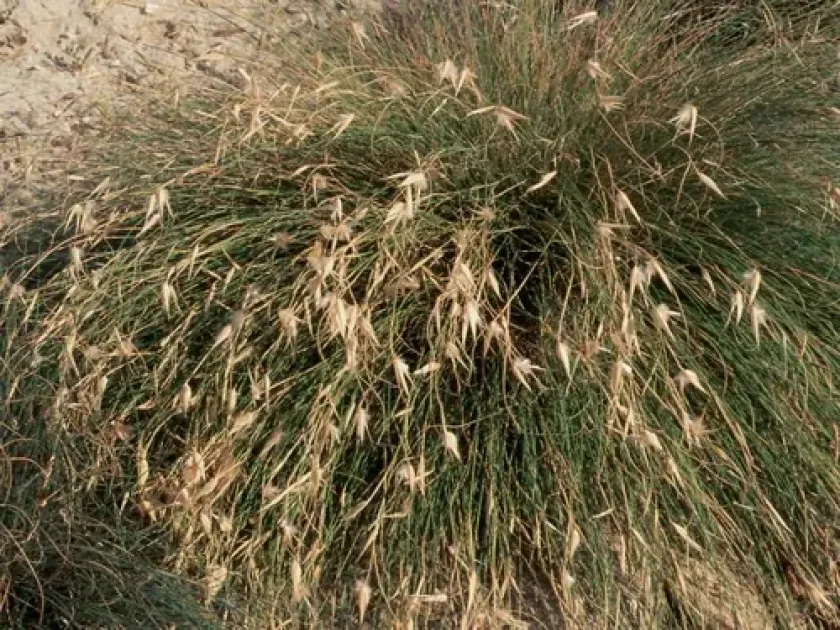
Exotheca abyssinica is a perennial grass belonging to the family Poaceae. It is a robust plant characterized by dense tufts, which provide stability and prevent soil erosion in rugged mountainous environments.
The native range of this species covers the highland regions of Eastern and Central Africa. It typically thrives at high altitudes, where it has evolved to occupy specific ecological niches in grassland biomes.
Regarding soil requirements, the plant prefers well-drained, slightly acidic to neutral soils. Its strong root system allows it to penetrate compacted ground, improving soil structure and resilience against environmental stress.
Climatically, Exotheca abyssinica is adapted to tropical highland conditions. It demonstrates significant resilience to extreme diurnal temperature variations and can survive periods of low moisture availability common in its natural habitat.
In agriculture, the species is primarily utilized as a forage grass. Livestock grazing management is essential, as the plant provides sustainable nutrient intake when managed appropriately, serving as a staple in high-altitude pastoralism.
Main diseases and pests
The plant is susceptible to fungal infections under high humidity conditions, with rust fungi being the most common pathogen affecting its photosynthetic tissues. These infections can significantly reduce the overall biomass yield.
Root rot diseases present a major challenge in poorly drained areas or during seasons with excessive rainfall. These pathogens can weaken the root structure, leading to patchiness in established grasslands and reduced productivity.
Various insect pests, including stem borers and seed-feeding larvae, pose a threat to both vegetative growth and reproduction. These pests directly influence the rate of natural regeneration of the species.
Orthopteran insects like locusts can occasionally cause severe damage to the foliage during outbreak years. Monitoring these populations is vital to maintaining the long-term viability of the pasture.
Agricultural management should focus on balanced grazing intervals to prevent overgrazing, which increases the plant's susceptibility to diseases and weakens its natural defensive mechanisms against biotic stresses.