
Euryale ferox
Euryale ferox
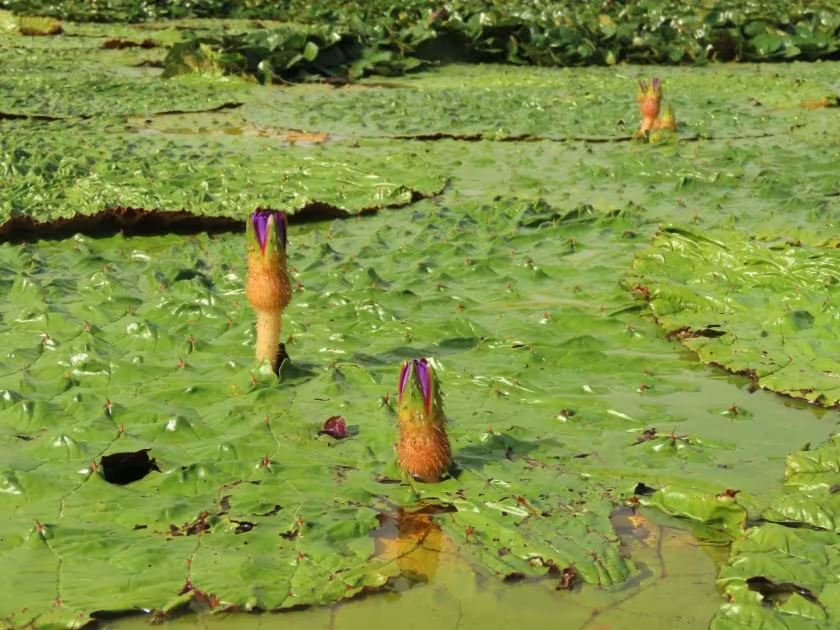
Description
Sowing dates
Euryale ferox, known as the gorgon plant, is an annual aquatic herb belonging to the Nymphaeaceae family. Sowing typically begins in the spring when water temperatures consistently exceed 20 degrees Celsius, essential for successful germination.
Seeds are sown directly into the nutrient-rich silt at the bottom of the pond or pre-germinated in water tanks. Maintaining the correct density is crucial as the large, thorny leaves require significant surface space to expand fully.
The ideal depth for seed sowing is approximately 10–15 centimeters into the substrate. The plant thrives in stagnant or slow-moving water, making well-maintained artificial ponds the most suitable environment for large-scale production.
Germination takes between two to four weeks depending on thermal stability. Farmers must ensure that the water level remains constant during the early development stages to protect the fragile floating seedlings from stress.
Successful planting relies on selecting high-quality seeds collected from the previous season's mature fruits, ensuring a higher survival rate in the pond environment.
Growing requirements
This crop demands high temperatures, with the optimal growth occurring between 25 and 30 degrees Celsius. Being a tropical plant, Euryale ferox is highly sensitive to cold spells, and water temperatures dropping below 15 degrees can significantly hinder its development.
The soil, specifically the pond silt, must be fertile and rich in organic matter. Many growers supplement the bottom layer with manure or compost prior to the growing season to ensure adequate nutrient supply for the fast-growing plant.
Water depth should be maintained between 0.5 and 1.5 meters to allow the plant to reach its full potential. The water quality is equally vital, preferring a neutral to slightly acidic pH level and low turbidity to allow light penetration.
Sunlight is a limiting factor; the plant requires at least 8 to 10 hours of direct sun daily to trigger flowering and fruit formation. Proper spacing helps avoid self-shading, which is detrimental to the development of the seeds.
Protection from extreme wind is also necessary to prevent mechanical damage to the large leaves. Maintaining a stable pond ecosystem without aggressive algal blooms is a key management strategy for professional growers.
Yield
The yield of Euryale ferox is primarily measured by the number and quality of seed-bearing fruits produced per plant. Under optimal conditions, a single plant can produce multiple large, spiny fruits containing dozens of seeds.
These seeds, often processed into "fox nuts," are a significant agricultural commodity. Their nutritional profile, rich in starch and minerals, makes them a valuable food source, particularly in Asian markets where they are used in various traditional dishes.
Agronomic techniques, such as targeted fertilization of the pond bed, significantly boost total yield. Professional growers monitor the development of fruit size throughout the season to optimize the timing of the harvest.
Post-harvest handling is critical for yield preservation. Effective drying and cleaning processes ensure that the final product reaches the market with the best possible quality and extended shelf life.
Although the vegetable parts are used in some medicinal contexts, the production focus remains heavily on the seeds, which are the main driver of economic return for growers.
Main diseases and pests
Aquatic snails are a primary pest, as they feed on the young leaves and petioles. Growers must implement regular monitoring and, if necessary, manual removal or biological control methods to mitigate damage.
Root rot, often caused by poor oxygen circulation in the silt, is a common fungal threat. Maintaining proper water flow or aeration, where possible, is the best prevention method for healthy root development.
Weed competition within the pond can deplete nutrients and block light, posing a risk to the crop. Regular pond cleaning and maintenance are required to keep the Euryale plants competitive against invasive water weeds.
Pesticide drift from neighboring fields can have devastating effects on this sensitive aquatic crop. Growers must ensure the water source is free from chemical pollutants that the plant might accumulate in its tissues.
Sudden weather changes, such as heavy hail, can puncture the large leaves, creating points of entry for bacterial infections. Rapid response and removal of severely damaged foliage are recommended to prevent disease spread.
Harvesting
Harvesting occurs when the fruit reaches physiological maturity, causing it to sink to the bottom of the pond. This typically happens toward the end of the growth season as temperatures begin to cool.
Manual labor is required to retrieve the fruits from the pond bottom, often using protective gear to safely handle the sharp, spiny surface of the fruit. This is a labor-intensive but necessary step to ensure the seeds remain intact.
Once retrieved, fruits are cleaned of their mucilaginous coating and debris. A thorough cleaning process is essential to ensure food safety and prevent contamination during the drying phase.
Drying is conducted in well-ventilated areas to remove excess moisture. Proper moisture control is the most important factor in preventing mold and ensuring the seeds maintain their nutritional value during storage.
The final step involves shelling the seeds to extract the white kernel. This high-value kernel is then ready for sale as a whole nut, or it can be further processed into flour for culinary use.