
Eumorphia prostrata
Eumorphia prostrata
Description
Growing requirements
Eumorphia prostrata is a prostrate shrub belonging to the Asteraceae family. It is endemic to the high-altitude regions of South Africa, particularly the Drakensberg mountains, where it grows in rocky environments.
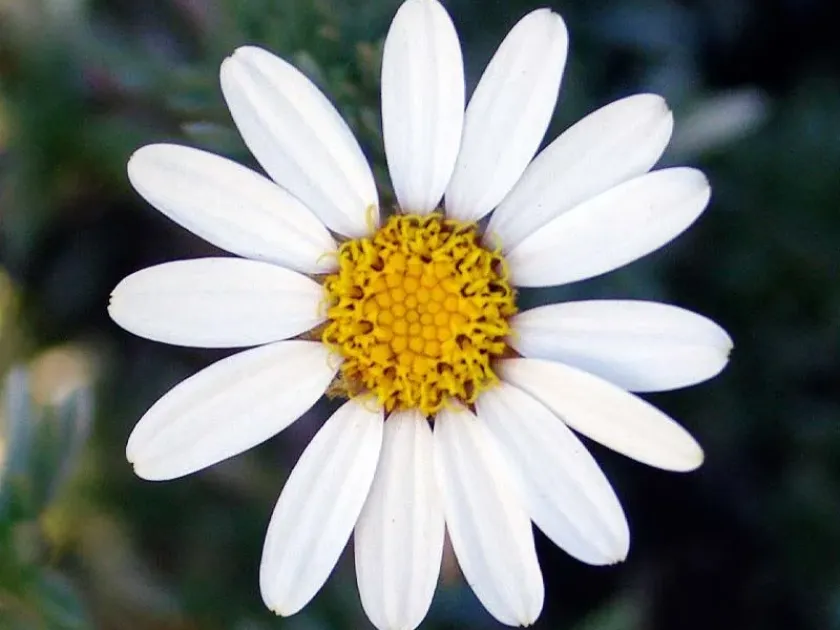
The plant is valued for its unique greyish, tomentose foliage and delicate, daisy-like flower heads. Its low-growing, mat-forming habit makes it an ideal choice for rock gardens and drought-tolerant landscaping schemes.
Success in cultivating this species depends heavily on imitating its native habitat. It requires full exposure to the sun and a substrate that is essentially a grit or sandy loam with excellent drainage characteristics.
Water requirements are relatively low; the soil should be allowed to dry out significantly between watering sessions. Over-irrigation, especially during warmer months, can lead to physiological stress and rot.
In terms of temperature, Eumorphia prostrata prefers cool, well-ventilated conditions. It is not tolerant of tropical humidity and performs best in climates with distinct temperature differences between day and night.
Main diseases and pests
The most significant threat to the health of Eumorphia prostrata is root rot, typically caused by waterlogged soil and poor drainage. This condition is often fatal and difficult to reverse once symptoms appear.
Pests such as spider mites and mealybugs can affect the plant when it is grown under glass or in poor air circulation. These pests thrive in dry conditions and can cause significant damage to the fine, hairy leaves.
Fungal leaf spots can occur if the foliage is kept wet for extended periods, especially in areas with stagnant air. Maintaining dry foliage is a crucial aspect of professional care for this species.
Lack of proper solar exposure can lead to etiolation, making the stems weak and more susceptible to pathogen attacks, ultimately reducing the lifespan of the ornamental cover.
Integrated pest management, including careful monitoring and the use of targeted acaricides or systemic fungicides, is recommended to keep the plant in peak condition for exhibition or landscape use.