
Eucalyptus youngiana x Eucalyptus macrocarpa hybrid
Eucalyptus youngiana F. Muell. x Eucalyptus macrocarpa Hook.
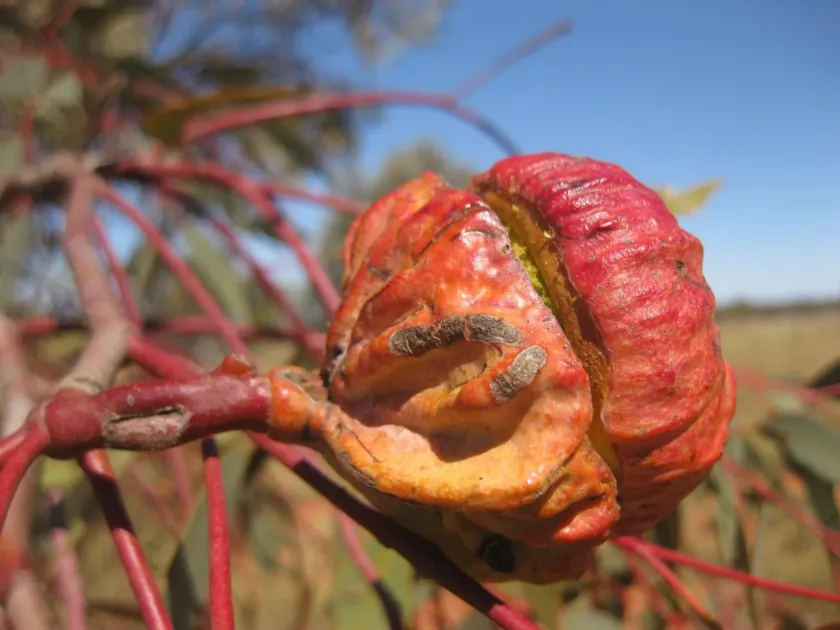
Description
Growing requirements
This hybrid is the result of crossing two notable species of the Myrtaceae family, native to Western Australia. The plant is characterized as a slow-growing shrub or small tree that combines a robust root system with high resistance to harsh environmental conditions.
The crop has high light requirements, preferring direct sunlight throughout the entire day. In the agronomic cycle, it is crucial to ensure maximum light access for the development of a dense canopy and the maintenance of the characteristic glaucous hue of the foliage, which is native to both parent species.
This Eucalyptus hybrid requires well-drained sandy or sandy-loam soils with a neutral or slightly acidic reaction. It is extremely sensitive to waterlogging in the root zone, therefore, on heavy clay soils, it is necessary to create a drainage layer or use raised garden beds.
Climatic preferences include a Mediterranean climate with distinct dry summers and mild winters. The plant possesses moderate frost resistance and can withstand brief drops in temperature; however, in regions with harsh winters, it requires container cultivation and storage in a protected environment.
The primary commercial use of this Eucalyptus is in landscape design and ornamental gardening. Due to its large, spectacular flowers and unusual leaf shape, this hybrid is highly valued by collectors of rare plants and specialists in greening arid regions.
Main diseases and pests
Typical threats to the development of this species are fungal diseases of the root system, resulting from excessive watering and poor soil aeration. Root rot infection often leads to the rapid death of seedlings, so prevention consists of strict control over substrate moisture.
Among pests, the greatest danger is posed by leaf-eating insects and sap-sucking parasites, such as scale insects and spider mites. In greenhouse conditions or protected ground, control measures require regular foliage inspection and the use of systemic insecticides upon the appearance of initial infestation sites.
The plant is also prone to chlorosis when there is a deficiency of microelements, especially iron, which often occurs due to incorrect soil pH levels. To maintain the ornamental appearance of the trees, periodic fertilization with specialized complex fertilizers for exotic plants is necessary.
In natural habitats or when cultivated in open spaces, young shoots can be damaged by strong winds. It is recommended to install supports for seedlings in their first years to form a strong trunk and prevent mechanical damage to the fragile wood.
An important factor of protection is compliance with quarantine measures when purchasing planting material to avoid the introduction of invasive Eucalyptus pests, to which this hybrid may not have innate immunity.