
Irby's Eucalyptus
Eucalyptus x irbyi R. T. Baker & H. G. Sm.
Description
Growing requirements
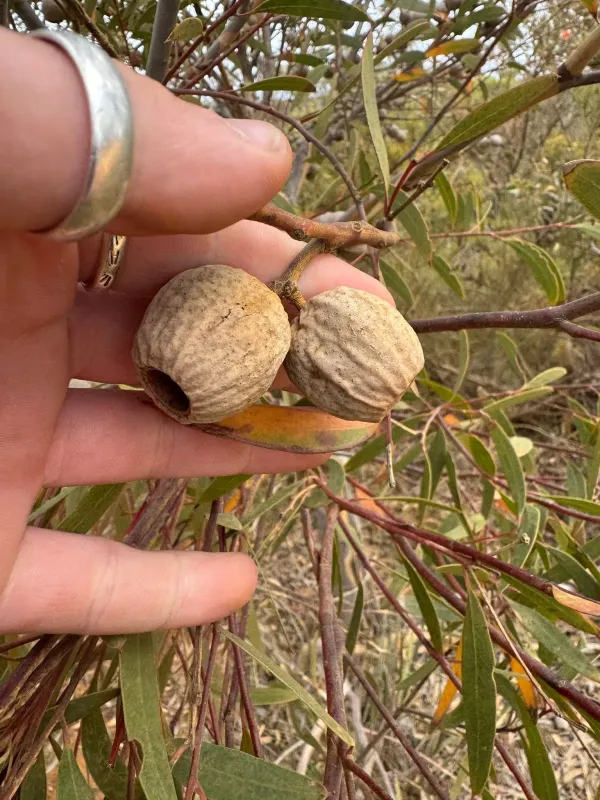
Irby's Eucalyptus (Eucalyptus x irbyi) is a hybrid tree species within the Myrtaceae family, recognized for its distinct physiological traits inherited from its parents. As an adapted cultivar, it exhibits significant resilience in suitable temperate environments.
Originating from Australia, this species thrives in regions with well-defined seasons. Its natural habitat suggests a strong preference for well-drained soils, as the species is sensitive to waterlogged conditions that can inhibit root respiration.
The ideal soil profile for this crop is a light, sandy loam with a pH level ranging from slightly acidic to neutral. High organic matter content enhances growth rates, especially during the establishment phase of the plantation.
Climatic requirements focus on high solar radiation exposure. Eucalypts are light-demanding trees; therefore, plantation sites must be selected to avoid shading from topography or surrounding vegetation to ensure maximum biomass accumulation.
Temperature tolerance is a key management factor. While the species is relatively hardy, extreme frost events can cause tissue damage. Proper site selection, considering frost hollows and wind exposure, is essential for maintaining crop vigor.
Yield
The economic value of Irby's Eucalyptus lies in its versatile timber and essential oil production. The wood is characterized by durability, making it suitable for furniture making and high-quality structural elements.
Leaves harvested from the canopy provide the raw material for essential oil extraction. These oils are widely used in medicinal applications and the aromatherapy industry, representing a significant secondary revenue stream for producers.
Productivity is maximized through intensive management practices, including standardized spacing and systematic irrigation. Regular monitoring of growth metrics allows for precise adjustments to fertilization schedules to optimize fiber production.
This species also serves the pulp and paper industry. The fiber properties of the tree are highly valued for the consistency they provide in paper manufacturing, driving continuous demand for sustainable plantation wood.
Furthermore, the tree acts as an effective carbon sink in agroforestry systems. By sequestering significant amounts of atmospheric carbon, it provides both timber output and environmental benefits, supporting sustainable development initiatives.
Main diseases and pests
Insect pests represent the primary threat to plantation health. Specifically, leaf-eating beetles and weevils can cause defoliation, which severely reduces photosynthetic capacity and compromises the structural development of the trees.
Fungal pathogens associated with high-humidity conditions can lead to stem cankers or leaf spots. Effective management requires maintaining tree spacing to ensure good air circulation, which reduces the moisture levels around the foliage.
Nutrient imbalances, particularly concerning phosphorus and trace elements, often manifest as chlorosis. Soil testing is vital to ensure that the plantation receives balanced nutrition, which sustains tree immunity against pathogens.
Vertebrate pests, such as rodents or rabbits, can damage the bark of young trees during the early years of growth. Applying physical barriers around trunks is a common and necessary prophylactic measure in young plantations.
Biosecurity protocols are crucial to prevent the introduction of specialized pests. Sourcing planting material from certified nurseries ensures a clean genetic base and reduces the initial probability of disease outbreak.