
Hybrid eucalyptus
Eucalyptus urophylla x Eucalyptus grandis x Eucalyptus globulus
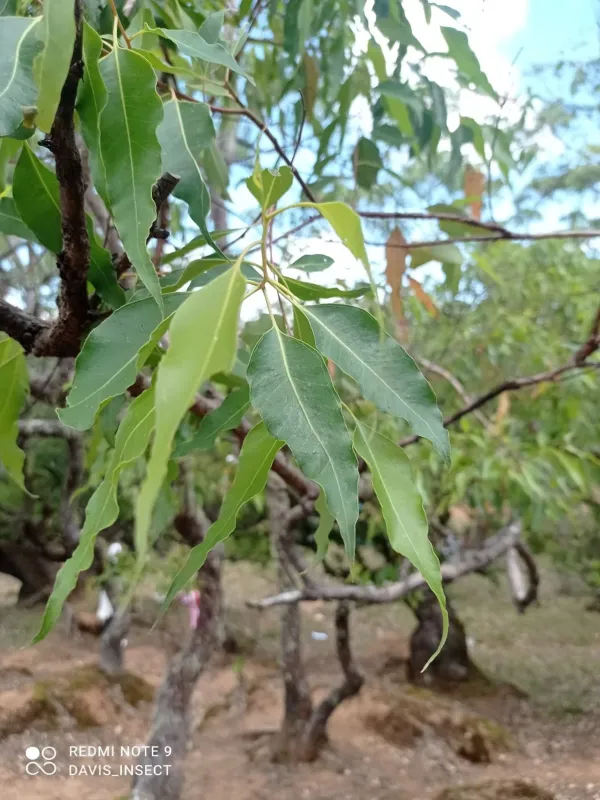
Description
Sowing dates
Hybrid eucalyptus propagation is primarily conducted through containerized seedlings. Using high-quality nursery stock with a robust root system is the standard for successful plantation establishment.
Planting timing is usually aligned with the onset of the rainy season. This ensures that young trees have sufficient soil moisture to establish their root systems before the onset of drier, more stressful months.
Spacing typically ranges between 1,100 and 1,600 trees per hectare, depending on the intended end-use of the timber. Optimal spacing is crucial to prevent resource competition and ensure consistent trunk diameter.
Early-stage weed management is vital for the survival of the crop. Mechanical mowing or controlled herbicide application between rows helps trees capture maximum light and nutrient resources.
Fertilization regimes are customized based on soil testing, with a focus on supplying adequate nitrogen and phosphorus during the first two years to maximize early growth rates.
Growing requirements
This hybrid, belonging to the Myrtaceae family, is a result of cross-breeding Eucalyptus urophylla, E. grandis, and E. globulus to capture the best traits of each parent species.
The crop thrives in tropical and subtropical climates with consistent warm temperatures. It requires a frost-free environment to maintain its rapid metabolic growth cycles throughout the year.
Soil requirements involve deep, well-drained profiles. While the species is somewhat adaptable, it performs best on slightly acidic loams that provide a good balance between aeration and water retention.
Full solar radiation is essential for this plant. As a highly photophilic species, even moderate shading during the juvenile phase can significantly restrict the tree's height and wood density.
Water availability is the primary determinant of yield. In regions with less than 1000 mm of annual rainfall, supplemental irrigation is often implemented to ensure the plantation reaches its economic maturity.
Yield
Hybrid eucalyptus is primarily cultivated for pulpwood and high-quality timber. It is highly valued in the global paper industry for the length and quality of its wood fibers.
The rotation cycle for these trees is remarkably short, typically ranging from 7 to 9 years. This quick return on investment makes it one of the most profitable forestry crops in the world.
Annual wood volume production can exceed 30–45 cubic meters per hectare. The resulting timber is uniform, strong, and highly sought after for furniture construction and light carpentry.
Genetic improvements in this hybrid have led to cleaner trunks with fewer branches, which significantly improves the recovery rate of usable lumber during the milling process.
Sustainability management includes planning for multiple rotations. The species exhibits coppicing ability, allowing for regrowth from the stump, which reduces the costs of replanting for subsequent cycles.
Main diseases and pests
Pathogenic fungi, such as Cryphonectria cubensis, pose a major threat by causing stem cankers. These infections can structurally weaken trees and lead to significant loss of commercial volume.
Pests like the eucalyptus snout beetle and various leaf-eating insects require constant monitoring. Infestations can cause widespread defoliation, which severely hampers the photosynthetic capacity of the trees.
Root system issues, particularly those associated with phytophthora in poorly drained soils, can lead to sudden decline and tree mortality. Proper site selection and drainage design are the best defenses.
Integrated Pest Management (IPM) is standard in modern eucalyptus forestry, utilizing pheromone traps and biological controls to minimize the need for chemical intervention.
Biosecurity protocols are essential when moving germplasm to prevent the introduction of new pests or diseases that can devastate large-scale, genetically uniform plantations.