
Eucalyptus sideroxylon
Eucalyptus sideroxylon A. Cunn. ex Woolls
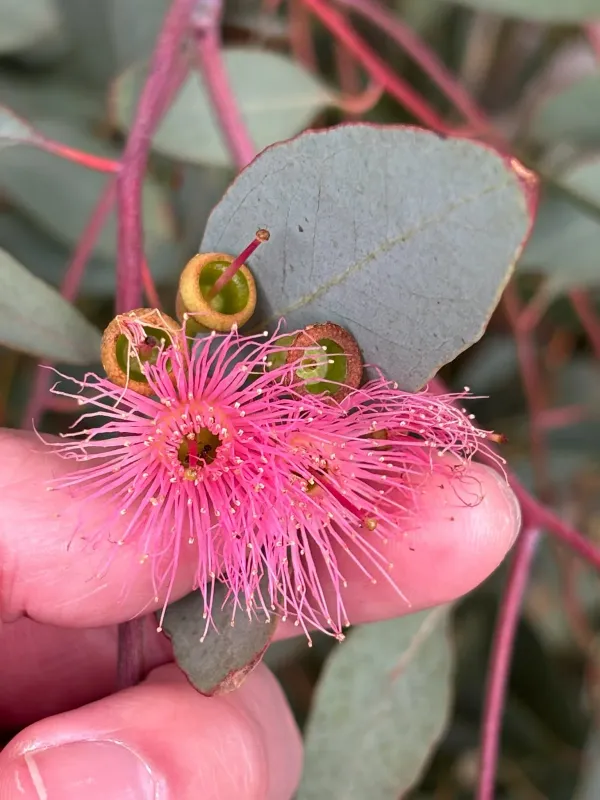
Description
Sowing dates
Sowing of Eucalyptus sideroxylon seeds is best performed in a greenhouse or protected nursery environment during late winter or early spring. Pre-treating the seeds with a short stratification period significantly improves germination rates.
Use a light, well-draining potting mix with a neutral pH to facilitate optimal root development. Maintaining a consistent temperature between 20 and 25 degrees Celsius is essential for successful seedling emergence.
Seeds should be sown on the surface and covered only very lightly with soil or grit, as they require light to germinate effectively. Mist the soil surface carefully to ensure seeds stay in place without burying them too deeply.
Once true leaves appear, seedlings should be pricked out into individual deep containers to accommodate the taproot. Avoiding root disturbance is critical, so biodegradable pots are often the preferred choice to minimize shock during planting.
Transplanting into the permanent site should only occur once the risk of frost has passed. Ensure the chosen location provides full sun exposure, as the species is highly intolerant to shaded environments.
Growing requirements
Eucalyptus sideroxylon, commonly known as Red Ironbark, is a member of the Myrtaceae family native to eastern Australia. It is highly valued for its adaptability, thriving in regions that offer full sun and good drainage.
This tree is famously tolerant of poor, shallow, and rocky soils, making it an excellent candidate for reforesting degraded or marginal land. It naturally excels in environments where soil nutrient levels are low.
The species possesses exceptional drought tolerance once established, thanks to its extensive root system. However, in the establishment phase, supplemental irrigation is necessary to ensure survival and consistent growth.
It prefers climates ranging from temperate to subtropical. While it can withstand light frost, severe cold events can damage younger specimens, so protection during the first two winters is recommended in cooler zones.
Minimal maintenance is required regarding fertilization. Over-fertilizing can negatively affect wood quality, so focus instead on proper site preparation and periodic light pruning to maintain a strong central leader.
Yield
The primary economic output of Eucalyptus sideroxylon is its extremely dense, dark red timber. Known for its durability and resistance to decay, it is highly prized for heavy-duty structural applications.
Key uses for the timber include railway sleepers, bridge components, fence posts, and power poles. Its natural resistance to termites and rot makes it a sustainable choice for high-durability outdoor infrastructure.
Beyond the timber, Red Ironbark is a significant source of high-quality nectar. Beekeepers value this species for its abundant flowering, which allows for the production of a distinct, premium-grade honey.
The leaves and bark contain compounds useful in the chemical and pharmaceutical industries. Essential oil extraction from the foliage provides an additional revenue stream for commercial forestry operations.
Rotation ages for timber production typically range from 20 to 30 years depending on the site index and management density. Proper spacing is essential to balance diameter growth with the straightness of the trunks.
Main diseases and pests
Red Ironbark is generally hardy, though it may be susceptible to fungal leaf spots if kept in conditions with poor airflow or excessive humidity. Ensuring proper spacing in plantations significantly mitigates these risks.
Insect pests such as leaf beetles may target young trees, causing defoliation. In commercial settings, monitoring programs and integrated pest management strategies are used to keep populations below economic thresholds.
Root rot is typically associated with waterlogged soil. Proper soil drainage is the most effective preventative measure, as this eucalyptus variety cannot tolerate 'wet feet' for extended periods.
In greenhouse settings, powdery mildew can occur if air circulation is insufficient. Improving ventilation and maintaining appropriate spacing between seedling trays helps keep the plants disease-free.
Overall, the high oil content within the leaves and bark acts as a natural deterrent to many common pests. When grown in its ideal climate, the tree shows impressive natural resilience against most environmental threats.