
Snow gum
Eucalyptus pauciflora Sieber ex Spreng. subsp. niphophila (Maiden & Blakely) L. A. S. Johnson & Blaxell
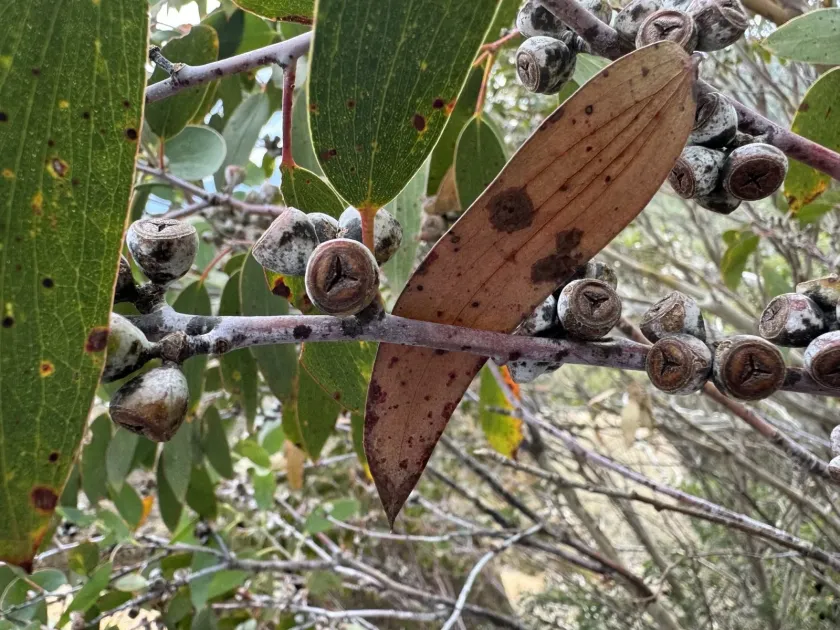
Description
Growing requirements
The snow gum (Eucalyptus pauciflora subsp. niphophila) is a high-altitude species of the Myrtaceae family, native to the Australian Alps. It is highly valued for its extreme cold hardiness, distinguishing it from most tropical eucalyptus species.
Biologically, the snow gum is a small to medium-sized tree known for its smooth, multicolored bark and thick, leathery, lanceolate leaves. It thrives in subalpine environments and possesses a specialized physiology that allows it to withstand heavy snowfall and freezing temperatures.
Optimal growing conditions require well-draining, acidic to neutral soil. Because the tree is adapted to stony mountain terrain, it struggles in heavy clay soils that retain excessive water, which can lead to root decay.
The plant is light-demanding and performs best in open locations with high solar radiation. Proper air circulation is essential for reducing the humidity around the canopy and preventing fungal issues common in confined environments.
Agronomic management includes maintaining adequate moisture during the establishment phase. Once mature, the tree is significantly drought-tolerant and requires minimal intervention beyond annual health monitoring.
Main diseases and pests
Common health issues include leaf spot and powdery mildew, which typically appear in humid conditions with insufficient air movement around the foliage.
Insect pests, such as leaf-eating beetles and psyllids, can cause significant cosmetic damage to the leaves and, in severe cases, inhibit tree growth.
Root rot caused by Phytophthora species is a serious threat, especially in poorly drained soils, often resulting in sudden tree mortality.
Boring insects can infiltrate the stems of stressed or weakened trees, creating entry points for secondary bacterial infections that degrade the timber quality.
Integrated pest management, including regular inspections, timely pruning of diseased branches, and the use of targeted biological controls, is essential for maintaining a healthy plantation.