
Yellow Stringybark
Eucalyptus muelleriana A. W. Howitt
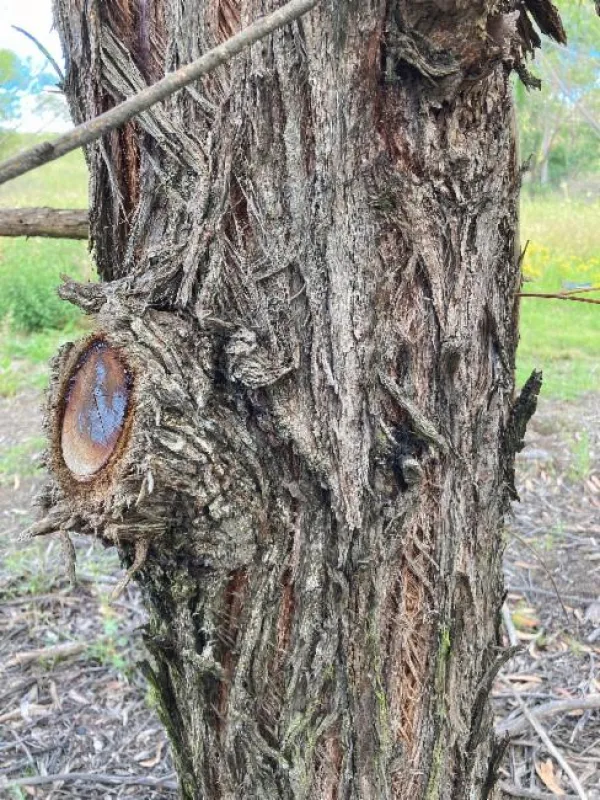
Description
Sowing dates
The sowing of Eucalyptus muelleriana seeds is typically conducted in professional forest nurseries during late winter or early spring. Seeds require a consistent temperature range of 20°C to 25°C for optimal germination rates.
Stratification of seeds prior to sowing can significantly improve uniformity and total germination percentage. Seedlings usually emerge within two to three weeks, requiring precise light exposure immediately after germination.
Pricking out the seedlings occurs once they reach a height of 5 to 7 cm. A well-aerated substrate is crucial during this phase to prevent common seedling diseases like damping-off.
Transplanting to the field is performed once the risk of frost has passed. A spacing of 3x3 meters is generally recommended to ensure each tree receives adequate sunlight and ventilation as it matures.
During the first year, young trees require a steady irrigation schedule to establish a robust root system. Once established, the species is relatively hardy, though drought periods should still be monitored.
Growing requirements
Eucalyptus muelleriana, commonly known as Yellow Stringybark, belongs to the Myrtaceae family. Native to southeastern Australia, this species thrives in moderate, temperate climates with reliable annual rainfall.
The species prefers deep, fertile, and well-drained loamy soils. It does not tolerate waterlogged conditions, as poor drainage is a primary cause of stunted growth and root rot susceptibility.
The ideal soil pH for this eucalyptus is slightly acidic, ranging from 5.5 to 6.5. Adequate organic matter in the soil profile supports rapid biomass accumulation and enhances overall tree vigor.
Eucalyptus muelleriana is a sun-loving species requiring full exposure to sunlight for optimal trunk development. Excessive shading during the early stages often leads to poor form and reduced timber quality.
While adapted to its native range, the species is sensitive to extreme cold. Careful site selection is necessary in areas of introduction to avoid frost pockets and exposure to severe, desiccating winds.
Yield
Yellow Stringybark is highly valued in the forestry industry for its durable and strong timber. It is characterized by a straight trunk, which is ideal for the production of high-quality lumber.
The wood is pale brown to yellow in color, dense, and possesses excellent resistance to decay and termite attack. These properties make it a premier choice for flooring and heavy construction.
The growth cycle for commercial timber harvest usually spans 25 to 40 years, depending on the site index and silvicultural management practices applied during the rotation period.
In addition to construction lumber, the timber is widely used in furniture making and exterior joinery, where durability against the elements is a primary requirement for the finished product.
The species also contributes to pulpwood production, making it a versatile asset in modern forestry portfolios that prioritize both structural and fiber-based commodities.
Main diseases and pests
Root pathogens such as Phytophthora species represent a significant threat, particularly in poorly drained soils. Managing soil moisture is the primary defense strategy against these soil-borne threats.
Leaf-eating insects can cause defoliation, reducing the photosynthetic capacity of the canopy. Regular scouting of young plantations is essential to detect pest outbreaks before they reach critical levels.
Leaf spot diseases, which are often exacerbated by high humidity and poor air circulation, can affect the foliage of younger trees. Thinning and pruning operations help maintain healthy air movement.
Eucalyptus-specific borers and weevils may pose a threat in certain regions. Integrated Pest Management (IPM) practices, including the use of pheromone traps, are recommended for large-scale plantations.
- Regular inspections of foliage and trunk bark.
- Maintenance of adequate drainage systems.
- Prompt removal and disposal of infected plant material.
- Selective thinning to improve plantation ventilation.