
Yellow box
Eucalyptus melliodora A. Cunn. ex Schauer
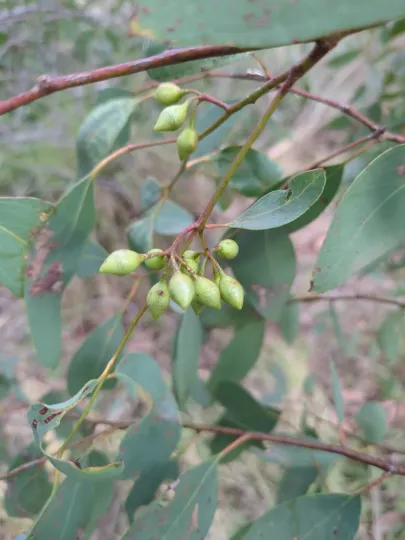
Description
Growing requirements
The Yellow box (Eucalyptus melliodora) is a prominent member of the Myrtaceae family. It is an evergreen tree renowned for its graceful appearance, featuring a combination of rough, fibrous bark at the base and smooth bark on the upper branches.
Native to eastern Australia, this species thrives in varied environmental conditions, ranging from open woodlands to fertile alluvial plains. It prefers well-drained, nutrient-rich soils and requires full sun exposure to maintain optimal health.
Regarding climate, the tree is moderately tolerant to frosts once established, though it requires protection during its juvenile stage. It exhibits a high resilience to periodic drought once its deep root system has fully developed.
Standard cultivation involves the use of nursery-grown seedlings. Soil pH should ideally range from slightly acidic to neutral to ensure efficient nutrient uptake, particularly for essential micronutrients.
Proper spacing is crucial to prevent competition for light and soil moisture, typically requiring at least 5 to 7 meters between trees in plantation settings to allow for full crown development.
Yield
The Yellow box is widely considered one of Australia's most important honey-producing trees. Its nectar is highly prized for its quality, leading to the production of premium, light-colored honey with a distinctive flavor profile.
Beyond apiculture, the tree provides exceptionally dense and durable timber. This wood is highly valued in construction, fencing, and the manufacture of fine furniture due to its resistance to decay and termites.
Yield efficiency is heavily dependent on the tree's age and local moisture availability. Significant nectar production generally begins when the tree reaches maturity, usually after a decade of growth.
To maximize honey production, growers often employ selective thinning to allow remaining trees to expand their canopies, thereby increasing the total number of blossoms per hectare.
The timber harvest is typically managed on a long-term rotation cycle, ensuring the sustainability of the wood source while maintaining the economic viability of the site through integrated beekeeping activities.
Main diseases and pests
Primary threats to Eucalyptus melliodora include defoliating insects like the Eucalyptus weevil (Gonipterus), which can severely impact young foliage and compromise tree vigor during outbreaks.
Root rot caused by Phytophthora species represents a major pathological threat, particularly in poorly drained areas where waterlogging encourages the spread of soil-borne pathogens.
Leaf-sucking insects, such as lerp psyllids, are also significant pests. These insects cause damage by feeding on sap and excreting honeydew, which leads to secondary sooty mold growth on leaves.
The accumulation of volatile essential oils in the foliage makes these trees prone to fire damage, which can be catastrophic in densely planted regions or during extreme drought periods.
Integrated pest management, including the introduction of natural predators and regular monitoring of crown health, is essential for maintaining the productivity and longevity of the plantation.