
Eucalyptus macrorhyncha
Eucalyptus macrorhyncha F. Muell. ex Benth.
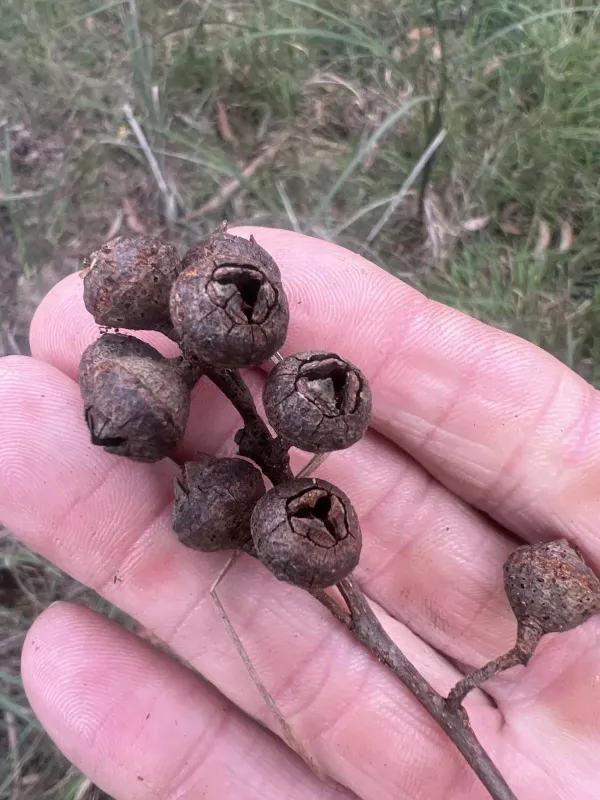
Description
Sowing dates
Cultivation of Eucalyptus macrorhyncha, commonly known as red stringybark, usually begins in specialized tree nurseries. Propagation from seeds is the standard method, requiring high-quality, well-draining soil mixes to ensure optimal germination rates.
The seeds should be sown in early spring, as they require a consistent temperature between 20°C and 25°C to sprout effectively. Proper light exposure is crucial during the early stages to prevent the seedlings from becoming spindly or weak.
Once the seedlings have reached an adequate size and the risk of frost has completely passed, they are transplanted into the field. Proper soil preparation, including deep plowing and amendment with organic matter, is essential for healthy root development.
Spacing during planting is determined by the intended outcome. For timber production, closer spacing encourages vertical growth, while for foliage harvesting for essential oils, wider spacing is preferred to allow for fuller crown development.
The first two years are the most critical period for young eucalyptus plants. Regular irrigation and weed management are necessary to ensure the saplings successfully establish themselves before they become drought-tolerant later in their development.
Growing requirements
Eucalyptus macrorhyncha is a species in the Myrtaceae family, native to southeastern Australia. It is highly adaptable, occurring naturally in various habitats, from temperate forests to open grassy woodlands, reflecting its versatility.
This species thrives in well-drained soils and shows a preference for slightly acidic to neutral pH levels. It is quite resilient to various soil types but performs best in locations that avoid prolonged waterlogging, which can harm its root system.
Being a sun-loving plant, Eucalyptus macrorhyncha requires full sun exposure to maintain vigorous growth. Shade can significantly reduce its biomass production and negatively impact the concentration of essential oils in its leaves.
Climate adaptability is one of its strengths, as it can withstand moderate temperature fluctuations. However, like many eucalyptus species, it performs optimally in temperate climates with a steady supply of moisture during the growing season.
Maintaining a clean plantation through regular cultivation between rows helps minimize competition with weeds. This allows the eucalyptus trees to fully utilize the available nutrients and water, which is particularly important in the first few years of growth.
Yield
The primary economic value of Eucalyptus macrorhyncha lies in its leaves, which are rich in essential oils and medicinal compounds. It is frequently sought after for its high rutin content, which is used in various pharmaceutical formulations.
Harvesting foliage for oil extraction is typically done through systematic pruning. This practice not only provides a consistent source of raw material but also stimulates the tree to produce fresh, nutrient-dense leaves, maximizing yield.
Beyond its medicinal use, the wood of this species is highly regarded for its density and durability. It is utilized in construction, fencing, and the manufacturing of high-quality tools, thanks to its resistance to decay and harsh environmental conditions.
Sustainable harvest management is key to long-term productivity. By maintaining a staggered rotation of pruning and harvesting, producers can ensure a continuous supply of biomass without depleting the health of the tree plantation.
The ability of this species to regrow vigorously after harvesting makes it an excellent choice for long-term agricultural investments. With proper care, plantations can remain productive for many years, providing reliable economic returns.
Main diseases and pests
Eucalyptus macrorhyncha may be susceptible to several pests, including various types of leaf-eating beetles and weevils. These insects can reduce the leaf surface area, which directly impacts the tree's photosynthetic capacity and overall health.
Fungal diseases, such as leaf spots or root rot, may occur if the plantation is situated in poorly drained soil or experiences high humidity levels. Effective moisture control and sanitation are vital for preventing the spread of these pathogens.
The best strategy for managing threats is to focus on preventative health. A tree that receives proper nutrition and is grown in suitable soil conditions will have a significantly higher natural resistance to both pest infestations and fungal infections.
Integrated pest management (IPM) practices, such as encouraging local predatory insects, can help maintain balance within the ecosystem. This minimizes the need for synthetic chemical applications and supports a more sustainable farming approach.
Regular field scouting is essential for early detection of issues. By identifying affected trees early, farmers can take corrective measures—such as pruning infected limbs or improving site drainage—before the problem becomes widespread across the plantation.