
White ironbark
Eucalyptus leucoxylon F. Muell.
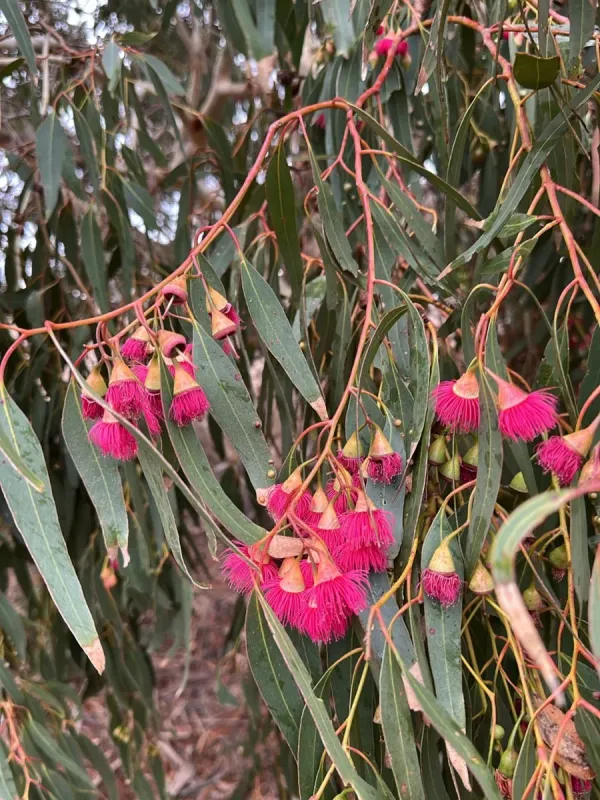
Description
Growing requirements
White ironbark (Eucalyptus leucoxylon) is a member of the Myrtaceae family. It is an evergreen tree that can reach heights of up to 30 meters, recognized by its distinct smooth, white to greyish bark that sheds in irregular patches as the tree matures.
Native to Australia, this species is well-adapted to Mediterranean climates. It thrives in well-drained soils, including sandy loams and rocky substrates, and has a remarkable ability to tolerate lower nutrient levels compared to other hardwood species.
The culture is highly photophilous and requires full sun exposure for optimal growth. Insufficient light leads to weak, spindly stems and reduced canopy density, which negatively affects the overall physiological health of the tree.
The ideal temperature range for White ironbark spans from +15°C to +25°C. While it exhibits moderate frost resistance, younger specimens require protection during freezing spells to prevent damage to the apical meristems and outer bark layers.
Water requirements are highest during the initial establishment phase. Once the root system is well-developed, the tree demonstrates high drought tolerance, making it a robust choice for reforestation projects in arid environments.
Yield
White ironbark is primarily valued for its exceptionally hard, dense, and durable timber. This wood is highly sought after in the construction industry for structural applications, high-end flooring, and specialized joinery projects.
In addition to timber, this species is a vital honey crop. Its long and prolific flowering period makes it an essential source of nectar and pollen for commercial beekeeping operations, particularly in regions where winter foraging is limited.
The leaves of this eucalyptus are rich in essential oils, which are extracted for pharmaceutical, antiseptic, and industrial applications. Sustainable leaf harvesting must be balanced with the tree's health requirements to ensure long-term oil yield.
The species is also widely utilized in landscape architecture and shelterbelt establishment. Its structural integrity and height make it an ideal windbreak, helping to mitigate soil erosion and create microclimates for other crops.
Yield management in commercial plantations involves strategic spacing to maximize wood volume and quality. Periodic thinning is essential to concentrate growth energy into the most productive stems and ensure uniform development of the wood fiber.
Main diseases and pests
Common pests affecting White ironbark include various defoliating insects, such as chrysomelid beetles, which can cause significant damage to the canopy and reduce the tree's photosynthetic capacity during the active growing season.
Fungal pathogens, particularly those causing leaf spots and powdery mildew, may emerge in plantations with high relative humidity and poor air circulation. Proper spacing between trees is crucial to mitigate these risks effectively.
Root rot, often caused by species of Phytophthora, poses a severe threat, especially in poorly drained soils. This pathogen is persistent and can decimate entire stands if biosecurity measures are not strictly enforced during planting.
Boring insects represent another layer of threat, as they tunnel into the trunk and branches, weakening the tree's structure and creating entry points for secondary fungal infections that can lead to limb breakage.
Integrated Pest Management (IPM) is the recommended approach for these trees. This involves regular field inspections, the use of biological control agents, and the judicious application of fungicides only when strictly necessary to manage outbreaks.