
Eucalyptus largiflorens
Eucalyptus largiflorens F. Muell.
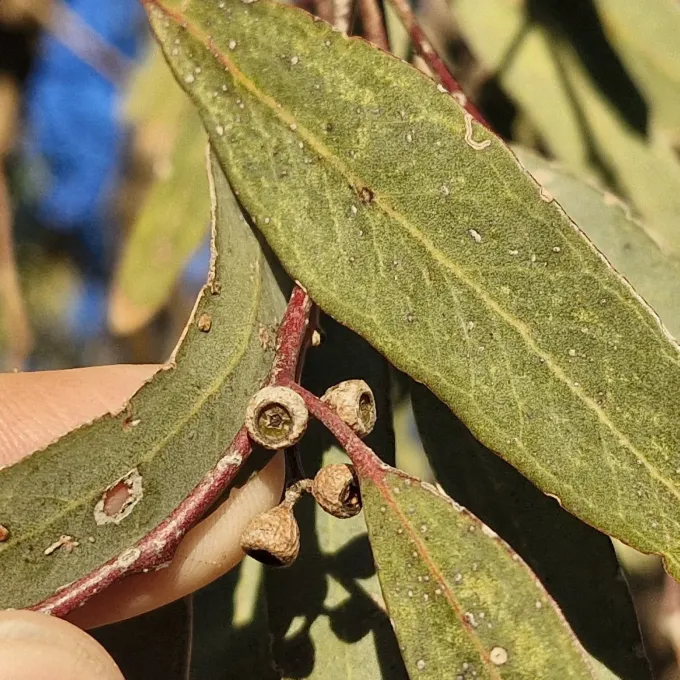
Description
Sowing dates
The sowing process for Eucalyptus largiflorens begins with selecting viable seeds, which are typically small and require careful handling. Stratification of seeds in a cold environment for a few weeks can significantly improve germination uniformity before planting.
Seeds should be sown in a sterile growing medium to prevent fungal infections. A shallow cover of fine sand or vermiculite is recommended to keep the seeds in place while allowing sufficient light to reach them during the initial stage of sprouting.
Consistent moisture is vital during the germination phase. Using a misting system helps maintain high humidity around the seeds without washing them away, ensuring a successful transition into the seedling stage.
Once the seedlings reach a transplantable size, usually after 3 to 4 months in a nursery setting, they should be hardened off. This process involves gradually increasing their exposure to ambient outdoor conditions to minimize transplant shock.
When moving to permanent field sites, spacing should be carefully planned to accommodate the future growth of these trees. Proper planning during the sowing and nursery phase sets the foundation for a productive plantation.
Growing requirements
Eucalyptus largiflorens, widely known as Black Box, is highly valued for its ability to thrive in challenging environments. It is remarkably tolerant of saline soils and heavy clay, making it an excellent choice for land reclamation projects.
This species is well-adapted to floodplains and areas subject to periodic inundation. Its deep root system allows it to access water resources that are unavailable to many other tree species, supporting survival through intense droughts.
Regarding climate, it prefers regions with hot, long summers. While it can withstand moderate frosts once established, it demonstrates peak growth rates in warm temperate to subtropical environments with good sun exposure.
Soil fertility is not a primary limiting factor, as the species is adapted to nutrient-poor soils. However, initial site preparation, including light cultivation to improve soil structure, can significantly enhance early survival rates.
Maintenance requirements are relatively low compared to more sensitive hardwood species. Once established, the tree is highly resilient to environmental stress, provided it is not subjected to complete, prolonged water deprivation.
Yield
The primary yield from Eucalyptus largiflorens is its dense, durable hardwood. The wood is reddish-brown, extremely hard, and resistant to decay and termite attacks, making it highly suitable for structural timber and fencing.
Timber production cycles typically span several decades. Managing stands through strategic thinning helps concentrate growth on the most vigorous stems, maximizing the quality of the harvested wood per hectare.
Honey production is an additional economic benefit. The flowers are a prolific source of nectar, which bees transform into a highly sought-after, dark honey, adding value to large-scale forestry operations.
This species also plays a significant role in carbon sequestration and stabilizing soil in riparian zones. While these benefits are environmental, they often provide financial incentives through ecosystem service programs.
Yield sustainability is achieved by balancing harvesting rotations with natural regeneration or replanting efforts. Integrating apiary management with timber growth optimizes the overall financial output of the forest stand.
Main diseases and pests
Leaf-eating insects, such as chrysomelid beetles, pose a recurring challenge for young eucalyptus stands. Integrated pest management, focusing on biological controls, is preferred to maintain the ecological balance of the plantation.
Fungal pathogens can be an issue in nurseries with poor drainage or in waterlogged field conditions. Proactive measures include ensuring good soil aeration and avoiding overly dense planting patterns that restrict airflow.
Bark borers can occasionally cause damage to stressed or mature trees. Maintaining tree vigor through proper site selection and occasional watering during extreme dry spells serves as the best defense against these pests.
Myrtle rust is a global concern for many Myrtaceae, and while specific resistance levels vary, monitoring for symptoms is critical. Early detection allows for immediate intervention, protecting the health of the entire grove.
Mechanical damage during maintenance activities creates openings for infections. Staff training on the correct use of machinery around tree bases is an essential part of the preventive maintenance protocol for any large-scale eucalyptus operation.