
Eucalyptus grandis x urophylla
Eucalyptus grandis x Eucalyptus urophylla
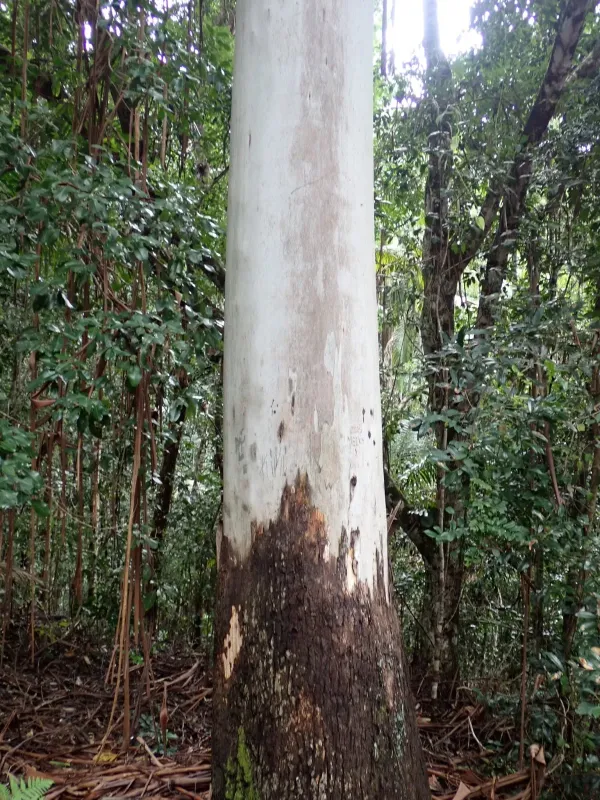
Description
Sowing dates
The establishment of Eucalyptus grandis x urophylla plantations is primarily conducted using high-quality nursery-grown seedlings, typically raised in containers to ensure a robust root system before transplanting.
Planting is best performed at the onset of the rainy season to provide the necessary moisture levels for the rapid establishment of the seedlings in the field environment.
Site preparation, including deep plowing and the application of phosphorus-rich fertilizers, is crucial for supporting the initial growth phase and establishing a firm foothold in the soil.
Planting density is typically adjusted between 1,100 to 1,600 stems per hectare, depending on the management objectives, such as maximizing pulpwood volume or timber size.
Effective weed management during the first 12–18 months is essential, as young eucalyptus trees are sensitive to competition for sunlight and soil nutrients during the early stages.
Growing requirements
This hybrid, belonging to the Myrtaceae family, combines the superior growth rates of Eucalyptus grandis with the environmental adaptability and disease resistance of Eucalyptus urophylla.
The culture thrives in tropical and subtropical climates with annual rainfall ranging from 1,000 to 1,500 mm, preferring regions with stable temperatures and no risk of severe frost.
Soil requirements include deep, well-drained conditions with a slightly acidic pH, as waterlogging is a significant stress factor that can lead to root rot and poor tree development.
Adequate nitrogen fertilization is recommended during the first few years of the rotation to fuel the rapid biomass accumulation characteristic of this specific hybrid.
The trees are highly light-demanding, requiring full exposure to sunlight for maximum physiological performance and to maintain a high rate of annual wood increment.
Yield
The wood from this hybrid is primarily utilized for pulp and paper production, high-quality timber boards, and biomass energy, owing to its uniform fiber structure and density.
Managed plantations can achieve impressive annual volume increments, often reaching 30–45 cubic meters per hectare per year under optimal growing conditions.
The typical rotation age for harvesting is between 7 and 12 years, providing a fast turnaround for industrial forestry investments and quick returns on capital.
The species possesses strong coppicing ability, allowing managers to regenerate the plantation from stumps for several cycles without the need for replanting after every harvest.
Strategic forest management, including periodic thinning and nutrient monitoring, is essential to maximize the recovery of high-value logs during the final harvest stage.
Main diseases and pests
Leaf-eating insects, such as beetles and defoliators, represent a primary biological threat, capable of significantly reducing photosynthetic capacity in young, growing plantations.
Fungal diseases like leaf spot and various rusts can impact the health of the stands, particularly in areas with poor airflow and high humidity levels throughout the growing season.
An integrated pest management approach, utilizing resistant clones and preventative monitoring, is the most effective way to protect the investment and ensure plantation health.
Regular field surveys are necessary to detect early symptoms of infection or pest outbreaks, allowing for timely intervention before localized issues escalate into plantation-wide problems.
Maintaining high genetic diversity through the use of tested clonal varieties helps mitigate the risk of large-scale losses due to pathogens or changing environmental stressors.