
Eucalyptus grandis x camaldulensis
Eucalyptus grandis (Hill ex Maiden) x E. camaldulensis (Dehn)
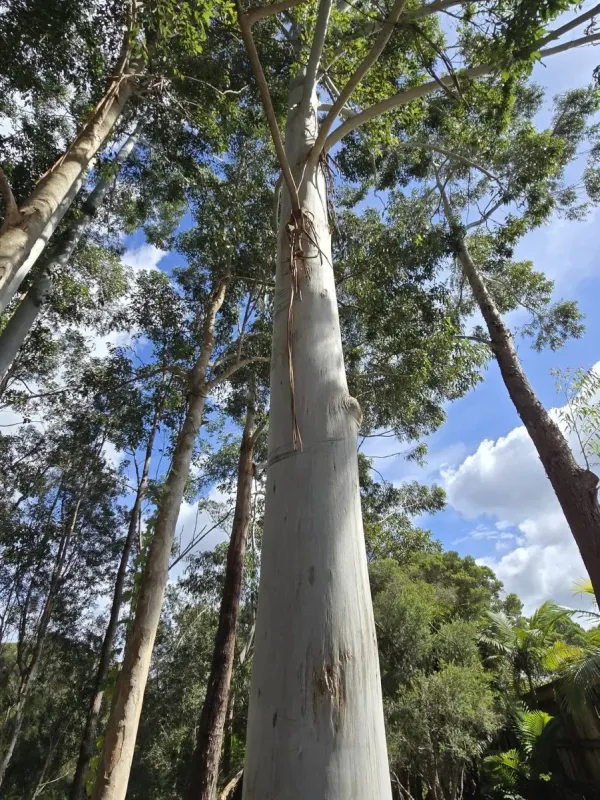
Description
Sowing dates
The cultivation of this eucalyptus hybrid typically begins in specialized nurseries where high-quality seedlings are raised in trays. Successful establishment depends on planting during the onset of the rainy season, which ensures adequate moisture for the root system to settle into the soil.
Land preparation is a critical step, involving deep ripping or subsoiling to break up compacted layers. This allows the primary roots of the eucalyptus to penetrate deep into the substrate, which is essential for ensuring both rapid vertical growth and resistance to strong winds.
Planting density is adjusted according to the intended use of the wood, with typical spacing allowing for 1100 to 1600 stems per hectare. Proper spacing is necessary to reduce competition for light and nutrients among young trees during the first critical years of growth.
Weed control is mandatory for the first two years of the plantation's life. Mechanical clearing or targeted herbicide application ensures that the young saplings have access to the sunlight and nutrients they need to reach their full potential early on.
To ensure high uniformity and faster growth rates, clonal forestry is often employed for this specific hybrid. This allows planters to achieve predictable timber yields, ensuring that all trees on the plot reach maturity at approximately the same time.
Growing requirements
As a hybrid of Eucalyptus grandis and Eucalyptus camaldulensis, this tree belongs to the Myrtaceae family. It is highly valued for its hybrid vigor, combining the rapid growth of the grandis parent with the exceptional environmental adaptability and drought tolerance of the camaldulensis parent.
The hybrid thrives in deep, well-drained soils with a slightly acidic to neutral pH. It is notably resilient to waterlogged conditions, making it an excellent candidate for reforesting flood-prone or wet tropical landscapes that are otherwise unsuitable for other timber crops.
Temperature sensitivity is a factor to consider, as this hybrid performs best in regions where temperatures remain between 18 and 30 degrees Celsius. While it is hardy in many respects, it does not tolerate severe or prolonged frost, which can cause terminal shoot dieback.
Abundant light is essential for its development. Any shading will cause the trees to grow lanky and develop curved trunks, which significantly reduces the quality and market value of the harvested timber during the final processing stages.
Industrial use of this eucalyptus revolves around timber production, particularly for pulp, paper, and medium-density construction. Its fast growth cycle, often ranging from 7 to 12 years, makes it one of the most profitable species for intensive timber management.
Main diseases and pests
Leaf-eating insects, such as beetles and caterpillars, represent a primary threat to young plantations, often causing significant defoliation. Regular monitoring of leaf health is necessary to detect outbreaks early before they result in long-term growth retardation.
Fungal diseases, especially those caused by Cylindrocladium species, can thrive in humid conditions and damage the tree's foliage. Infected trees suffer from reduced photosynthesis, which can drastically lower the overall biomass production of the forest site.
Termites can pose a significant threat in warmer climates, particularly to newly planted seedlings. Applying appropriate insecticidal treatments to the planting pits can significantly increase survival rates during the delicate first months of establishment.
Bacterial wilt can spread rapidly throughout a stand, especially if tools used for pruning or maintenance are not properly disinfected. Strict hygiene protocols in the field are required to prevent the introduction and transmission of these harmful pathogens.
Maintaining biological diversity at the landscape level and using site-adapted clones helps mitigate the risk of large-scale pest outbreaks. Planting in mixed-stand configurations can also create a buffer that makes it harder for specific species-targeting pests to spread.
Harvesting
Harvesting is typically done through clear-felling once the trees reach the target diameter for industrial needs. This usually happens within a 7 to 12-year window, depending on the site productivity and the specific silvicultural practices applied during the rotation.
Since the hybrid possesses excellent coppicing abilities, the stumps are often left in the ground after the harvest. With proper care, they will regenerate and produce a new crop, which reduces the costs associated with site preparation and replanting for the next rotation.
Efficient logistics are required to ensure the wood is transported to processing facilities shortly after felling. This prevents quality loss due to excessive moisture evaporation or potential damage by wood-boring insects during the storage period.
Grading and sorting are carried out at the landing site to separate the timber into categories. Higher-grade logs are sent to sawmills for furniture and structural building components, while lower-quality stems are diverted for pulping or biomass energy production.
Post-harvest site management includes the removal or redistribution of slash and debris to reduce fire hazards. This also facilitates the healthy growth of the next generation of shoots, ensuring the site remains productive for years to come.