
Eucalyptus erythronema
Eucalyptus erythronema Turcz.
Description
Growing requirements
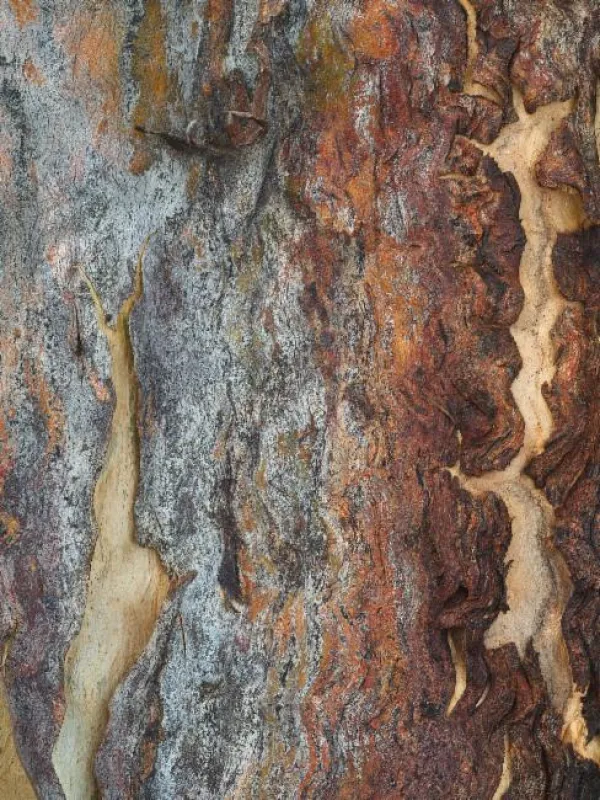
Eucalyptus erythronema, commonly known as the red-flowered mallee, belongs to the Myrtaceae family. This species typically grows as a small tree or a multi-stemmed mallee, characterized by its smooth, peeling bark that exposes colorful layers underneath.
The plant originates from the arid regions of Western Australia. It is highly adapted to sandy or loamy soils and has evolved to thrive in environments with seasonal rainfall patterns, making it exceptionally drought-tolerant.
Successful cultivation requires soil that offers excellent drainage. In heavier soils, the risk of root rot increases significantly, which is why planting on slopes or in raised beds is often recommended for garden environments.
Exposure to full sun is a fundamental requirement for Eucalyptus erythronema. Without sufficient light intensity, the plant tends to become leggy, and its capacity to produce its signature vibrant red flowers is severely diminished.
Beyond its ornamental appeal, the species is favored in xeriscaping projects. Its ability to withstand heat and dry spells makes it an ideal candidate for low-maintenance landscapes in appropriate climatic zones.
Main diseases and pests
The most significant threats to Eucalyptus erythronema are fungal pathogens associated with waterlogging. Soil-borne diseases can rapidly cause root decay, leading to the sudden decline of seemingly healthy trees.
Insect pests such as leaf-eating beetles and lerps can occasionally damage the foliage. While usually not lethal to mature trees, heavy infestations can impact the tree's overall vigor and aesthetic value.
Preventive measures include implementing proper irrigation protocols, focusing on deep but infrequent watering once the plant is established. This encourages strong root growth without maintaining constant surface humidity.
Maintaining air circulation through selective pruning is vital for disease prevention. Removing dead or overlapping branches reduces the humidity trapped within the canopy, limiting the environment for mold growth.
Monitoring the plant for early signs of stress is crucial for successful pest management. Integrated pest management techniques, such as encouraging beneficial predators, are preferred over broad-spectrum chemicals.