
Eucalyptus elata
Eucalyptus elata Dehnh.
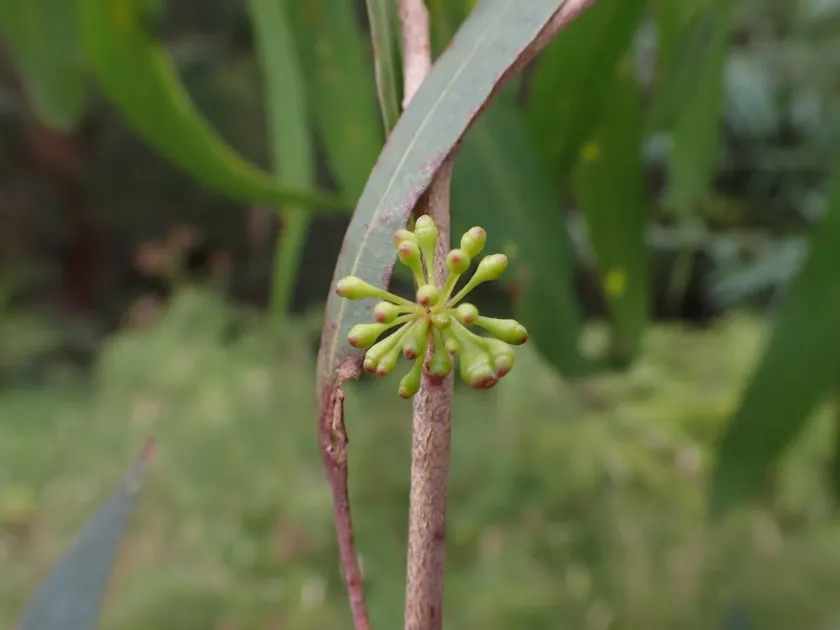
Description
Sowing dates
Eucalyptus elata, belonging to the Myrtaceae family, is an evergreen tree commonly propagated through seeds in controlled nursery environments.
The sowing process typically begins in early spring, ensuring that the seedlings gain enough strength before the onset of the colder seasons.
A well-draining, sterile soil medium is essential to prevent "damping off" and other fungal pathogens that commonly affect small eucalyptus sprouts.
Seedlings are nurtured in trays with consistent light and moisture levels until they reach a robust size suitable for transplantation into open fields.
Careful hardening off is required before moving the plants outdoors to ensure they can withstand environmental stress and fluctuating weather conditions.
Growing requirements
This species thrives in mild, temperate to subtropical climates and performs best in locations with high exposure to direct sunlight throughout the day.
Well-drained, fertile soil with a neutral to slightly acidic pH is ideal for the development of the tree's deep and expansive root system.
While the tree is relatively resilient, it requires protection from severe frosts and strong, drying winds which can damage the foliage and stems.
Consistent irrigation is crucial during the early stages of growth, particularly in regions where seasonal rainfall is unreliable or insufficient.
Periodic soil cultivation around the base of the trees helps maintain aeration and reduces competition from weeds that may inhibit young plant growth.
Yield
The economic value of Eucalyptus elata is primarily tied to its high-quality timber, which is sought after for its durability and resistance to decay.
Furthermore, the leaves are harvested for the extraction of aromatic essential oils, which are widely utilized in medicinal and fragrance applications.
Effective plantation management, including timely pruning and fertilization, significantly boosts the annual output of both woody biomass and leaf material.
Sustainable harvesting techniques ensure the longevity of the trees, allowing for multiple cutting cycles while maintaining the overall health of the plantation.
Yield metrics are constantly improving through the selection of superior genetic variants that demonstrate faster growth rates and better oil content.
Main diseases and pests
Common pathological threats include leaf spot diseases and root rot, which are often exacerbated by poor drainage and excessive atmospheric humidity.
Pest pressures typically involve insects such as aphids, scale insects, and certain wood-boring beetles that can damage the tree's vital conductive tissues.
Environmental stress, such as prolonged waterlogging or extreme temperature drops, can weaken the tree and make it more susceptible to opportunistic infections.
Integrated pest management strategies, including the use of targeted biological controls, are recommended to minimize chemical reliance in large plantations.
Routine inspections are vital to identifying early signs of distress, allowing for prompt corrective action to protect the productivity of the crop.