
Karri
Eucalyptus diversicolor F. Muell.
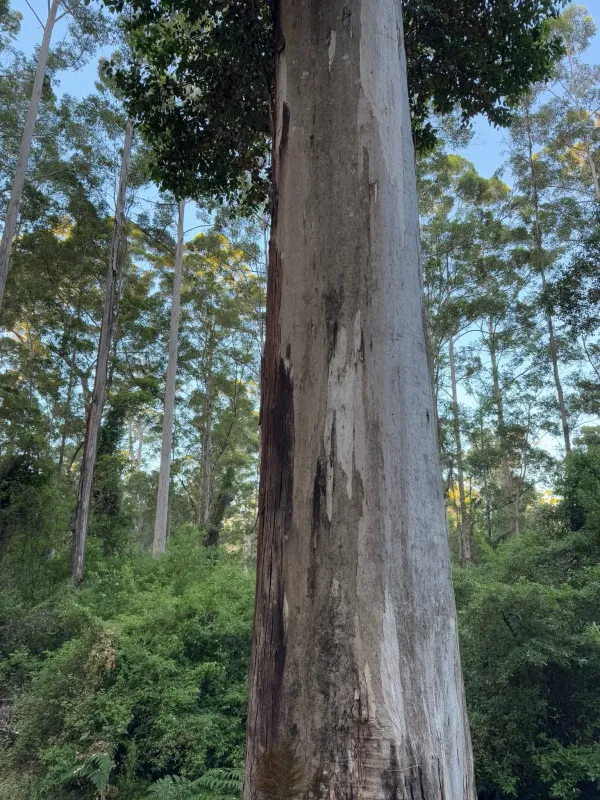
Description
Growing requirements
Eucalyptus diversicolor, commonly known as Karri, is a member of the Myrtaceae family. It is recognized as one of the tallest hardwood trees in the world, native to the high-rainfall forests of southwestern Western Australia.
The tree thrives in cool to mild, humid climates. It requires consistent moisture throughout the year and is sensitive to frost and prolonged drought, making site selection a vital part of its cultivation.
Regarding soil, it prefers deep, loamy, well-drained soils with acidic to neutral pH levels. Waterlogged ground must be avoided at all costs to prevent root zone decay and stunted development.
Silviculture practices involve thinning and pruning to ensure the tree maintains a straight, clean bole, which enhances the quality and value of the timber produced for industrial applications.
Its wood is highly prized for its strength and durability. It is widely used in heavy construction, flooring, and high-end joinery, contributing significantly to regional forestry economies.
Main diseases and pests
Fungal infections, such as those caused by Phytophthora species, represent a major threat to the root health of the plantation if soil conditions are not properly maintained.
Leaf-eating insects, including various species of chrysomelid beetles, can cause significant defoliation in younger stands, which severely reduces the rate of photosynthesis and overall growth.
Boring insects can damage the timber quality by creating galleries in the wood, making early detection through pheromone traps or visual inspections highly recommended.
Environmental stress, particularly caused by unexpected heat waves or site-inappropriate conditions, can make the trees more susceptible to opportunistic diseases and pests.
Integrated pest management (IPM) strategies, including maintaining soil biodiversity and encouraging natural predators, are effective in controlling outbreaks without excessive use of chemicals.
Harvesting
The harvest cycle for Eucalyptus diversicolor is relatively long compared to other pulpwood species, as it is primarily managed for high-quality sawlogs.
Rotation ages typically range from 40 to 60 years, depending on the specific site conditions and the intended size of the final product being manufactured.
Harvesting operations involve selective logging or clear-felling depending on the silvicultural model used to ensure both profitability and future forest regeneration.
Post-harvest site management is crucial to restore soil health and prepare the area for replanting or natural regeneration through seed banks present in the forest floor.
Modern logging equipment is utilized to maximize the recovery of merchantable timber while minimizing disturbance to the surrounding ecosystem and remaining stand.