
Eucalyptus delegatensis
Eucalyptus delegatensis R. T. Baker
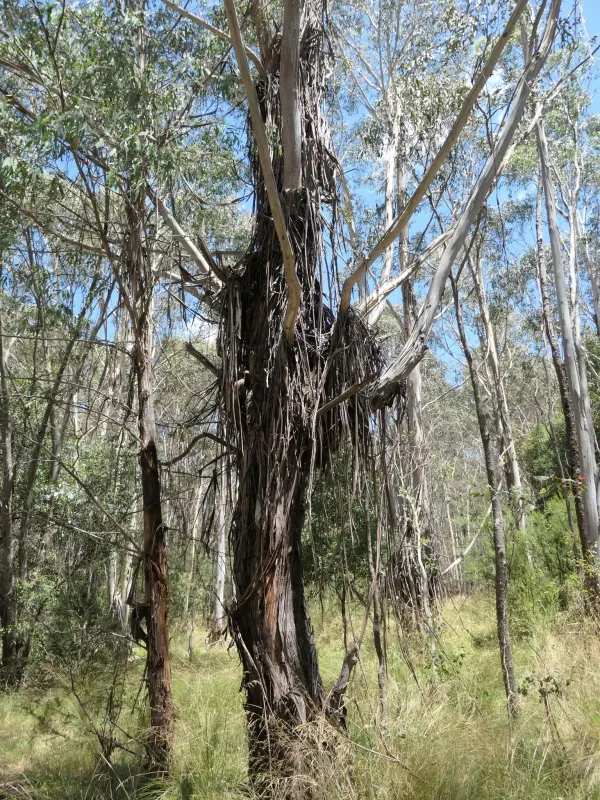
Description
Growing requirements
Eucalyptus delegatensis, commonly known as the alpine ash, is a massive evergreen tree belonging to the Myrtaceae family. It is a dominant species in the high-altitude forests of southeastern Australia and Tasmania.
This species thrives in cool, moist climates and is well-adapted to mountainous regions where fogs are frequent. It prefers deep, nutrient-rich soils that provide excellent drainage for its extensive root system.
Unlike many other eucalyptus species, it is remarkably cold-hardy, capable of surviving frosts that would damage less resilient varieties. It requires protection from extreme desiccation during the growing season.
Agricultural management involves careful site selection to ensure consistent moisture levels. The species requires sufficient space to achieve its potential height and structural integrity without overcrowding.
As a biological entity, it represents a key component of temperate wet forests. Its ability to regenerate naturally after disturbance makes it a valuable asset for sustainable forestry practices.
Yield
The primary use of Eucalyptus delegatensis is for high-quality hardwood timber. Its wood is highly valued in the furniture industry for its durability, attractive grain, and ease of machining.
In addition to furniture, the timber is extensively used for flooring, interior joinery, and structural building applications. It is prized for its consistency and resistance to warping under proper drying conditions.
The pulp and paper industry also utilizes this species due to its high-quality fiber yield. Paper manufactured from this timber is known for its strength, making it a sustainable choice for industrial use.
Yield metrics for plantations are determined by plantation density and the duration of the growth cycle. Professional management ensures a steady output of high-grade logs for domestic and export markets.
The tree also serves important secondary roles in carbon sequestration and environmental restoration. Its fast growth rate contributes positively to reforestation efforts in suitable climatic zones.
Main diseases and pests
The species is susceptible to various fungal pathogens that affect foliage and shoots, particularly in environments with poor air circulation. Proper thinning is crucial to maintain stand health.
Insect pests, such as leaf beetles, pose a recurring threat to juvenile trees. Infestations can lead to significant defoliation, which hampers the tree's growth rate and overall vigor.
Wildfires remain a primary concern, even though the species has evolved mechanisms to recover. Young plantations are particularly vulnerable and require strict fire prevention protocols.
Root rot caused by waterlogging is a significant threat in poorly drained soils. Avoiding heavy, impermeable soil types is essential for the long-term success of any forestry project.
Effective management includes integrated pest control strategies and regular inspection of the crown health. Early intervention is the best approach to protect the investment in the plantation.