
Argyle apple
Eucalyptus cinerea F. Muell. ex Benth.
Description
Sowing dates
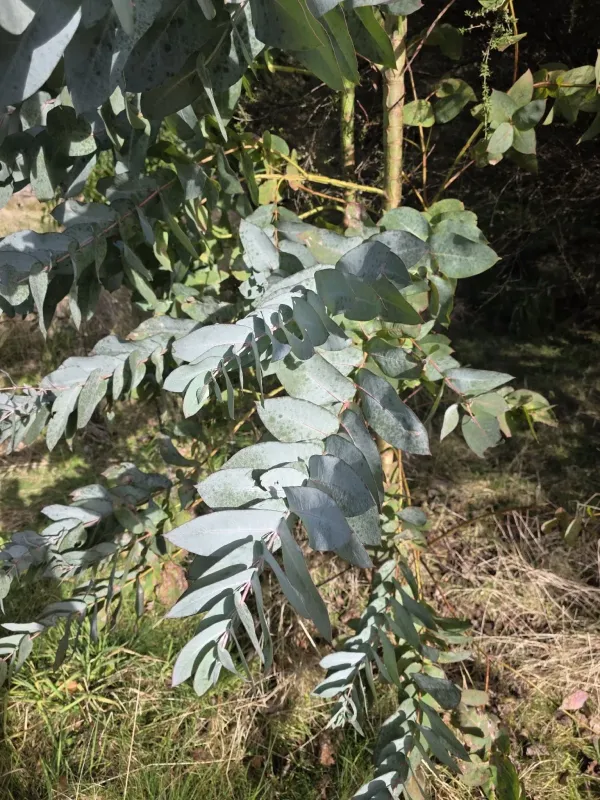
The Argyle apple (Eucalyptus cinerea F. Muell. ex Benth.) is a striking evergreen tree or shrub belonging to the Myrtaceae family. Known for its distinct silvery-grey, rounded foliage, it is widely cultivated for the cut flower and foliage industry.
Propagation is typically done via seeds, which should be sown in a high-quality, well-draining seed-starting mix. Sowing generally takes place in late winter in climate-controlled greenhouses to ensure a strong start before the growing season.
Seeds are small and light-dependent; therefore, they should be surface-sown and pressed lightly into the substrate. Maintaining a consistent temperature between 20-25 degrees Celsius is essential for successful germination.
Seedlings should be pricked out into individual containers as soon as the first true leaves appear to prevent root crowding. Careful handling is required, as the root system of the Argyle apple is delicate and easily disturbed.
Transplanting to the permanent field location occurs only after the final frost risk has passed, as young plants are particularly susceptible to cold damage and frostbite.
Growing requirements
Argyle apple thrives in full sunlight, which is crucial for maintaining its characteristic glaucous blue-grey foliage. In shade, the leaves tend to turn greener and lose their decorative appeal.
The plant prefers well-drained, slightly acidic to neutral soils. It is highly sensitive to waterlogging, so in areas with heavy or clay-based soils, raised beds or artificial drainage systems are necessary to prevent root rot.
Watering management is key: while the plant appreciates regular moisture during its establishment phase, it develops a moderate level of drought tolerance as it matures.
Temperature is a major limiting factor for this species. It is best suited for Mediterranean or mild temperate climates. In colder regions, it is frequently grown as an annual crop or a container plant moved indoors during winter.
Nutrient management involves balanced fertilization during the spring and summer growth phases. Avoid excessive nitrogen late in the season to ensure the plant hardens off before the onset of colder temperatures.
Yield
The primary agricultural objective for Eucalyptus cinerea is the production of stems for the floriculture market. The "silver dollar" foliage is highly sought after for both fresh and dried floral arrangements.
Yield is maximized through intensive pruning, which encourages the development of lateral branches. By controlling the growth habit through strategic cutting, growers can significantly increase the output of harvestable foliage per tree.
Secondary uses include the extraction of essential oils, though the oil content varies based on growing conditions and plant maturity. This dual-purpose potential makes it a versatile crop for varied climate zones.
Productivity per hectare depends on the planting density and the frequency of harvests. High-density commercial plantations require precise management to ensure each plant receives sufficient light and airflow.
With correct agronomic practices, a plantation of Argyle apple can remain productive for many years, providing a steady income stream for growers who specialize in ornamental tree crops.
Main diseases and pests
Fungal diseases, specifically Phytophthora root rot, are the most significant threats to Eucalyptus cinerea, usually triggered by poor drainage or over-irrigation. Maintaining a well-aerated soil environment is the primary preventative measure.
Common pests include aphids, scale insects, and spider mites, which can disfigure the leaves and reduce the marketability of the foliage. Regular monitoring is essential to catch infestations early.
Nutrient deficiencies, such as iron chlorosis, can occur if soil pH is too high, leading to yellowing of the leaves. Soil testing and the application of chelated micronutrients can rectify these issues effectively.
Mechanical damage from high winds can also be a threat, especially for young or heavily pruned trees, making sturdy support structures important in wind-prone areas.
Integrated pest management (IPM) practices, including the use of biological controls and selective insecticides, are highly recommended to keep the foliage clean and in top commercial condition.
Harvesting
Harvesting for the florist trade involves cutting stems when they have reached the desired size and maturity. Proper tools, kept sharp and sterilized, are essential to ensure clean cuts that heal quickly.
Post-harvest care is vital: stems should be immediately placed in cool water or stored in a temperature-controlled cold room to maintain their turgidity and the integrity of the waxy leaf coating.
For essential oil production, entire batches of leaf material are harvested, usually through mechanical harvesting methods, and processed immediately through steam distillation to capture the volatile compounds.
Timing the harvest is critical; it should be avoided during or immediately after rain, as moisture on the foliage can encourage fungal growth during storage and transport.
Following a major harvest, the plants require a period of recovery with adequate fertilization and irrigation to stimulate the next flush of vigorous, high-quality growth.