
River Red Gum
Eucalyptus camaldulensis Dehnh.
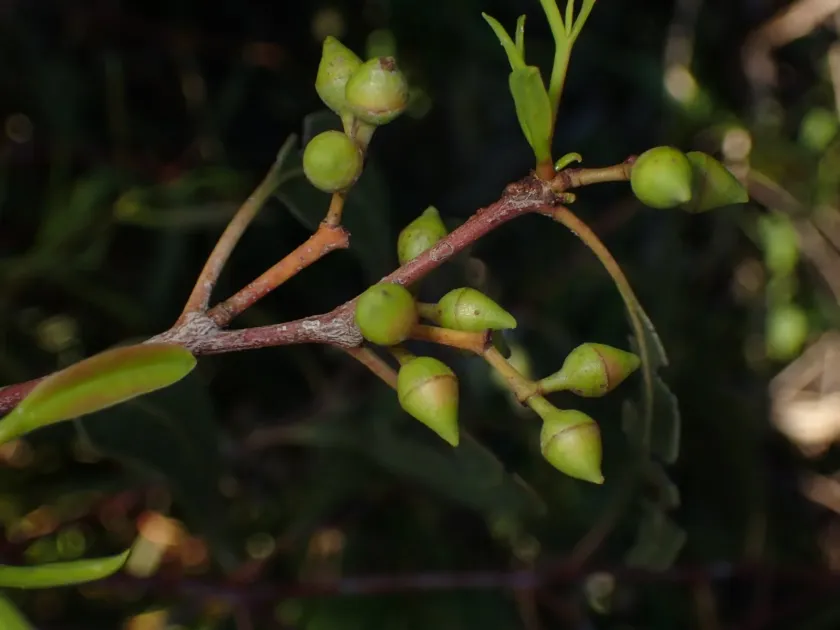
Description
Sowing dates
The sowing of Eucalyptus camaldulensis in large-scale operations begins in specialized nurseries. The optimal time for sowing is early spring when stable warm night temperatures are established, ensuring steady germination.
Seeds are sown in containers with light, well-drained substrate, maintaining high humidity until germination occurs. It is crucial to avoid waterlogging the soil to prevent fungal infections during the vulnerable seedling stage.
Transplanting seedlings to the field occurs once they reach a height of 25–30 cm and have undergone a hardening-off process. In temperate regions, spring planting is preferred, allowing the crop to establish roots before the onset of summer heat.
Planting density is determined by the intended use of the timber. A common spacing is 3x3 or 4x4 meters, which provides sufficient room for growth and access to nutrients for each tree in the plantation.
Pre-planting soil preparation includes deep tillage and the application of balanced fertilizers rich in phosphorus and nitrogen. This step is vital to ensure rapid initial growth and high survival rates of young trees.
Growing requirements
Eucalyptus camaldulensis is renowned for its exceptional drought tolerance, making it a primary choice for afforestation in arid and semi-arid regions. Its deep and expansive root system allows it to access water sources unavailable to many other species.
While the tree thrives in alluvial soils, it displays remarkable plasticity and can adapt to saline soils and various textured substrates. An optimal soil pH ranges from slightly acidic to neutral for balanced nutrient uptake.
As a light-demanding species, River Red Gum requires full sun exposure throughout the day for optimal development. Shading can significantly reduce growth rates and lead to poor stem formation and reduced wood quality.
The species prefers subtropical and tropical climates with distinct dry seasons. Although it is primarily a warm-climate tree, it can survive light frosts down to -5°C, making it adaptable to a variety of Mediterranean-type climates.
For high-yield plantations, drip irrigation during the first two years is recommended to establish robust growth. This practice significantly increases biomass production and helps young saplings withstand environmental stresses.
Yield
Yield for Eucalyptus camaldulensis is calculated by volume of merchantable timber produced per hectare over a rotation cycle. Under favorable conditions, plantations can achieve an annual growth rate of 15–25 cubic meters per hectare.
The first harvest, or technical maturity, is typically achieved 10–12 years after planting. The resulting wood is dense, durable, and highly valued for construction, flooring, and furniture manufacturing industries.
Beyond timber, the foliage of the River Red Gum is distilled to extract essential eucalyptus oil, which is a valuable secondary product. Oil yield varies based on tree age, soil quality, and the prevailing local climate.
Eucalyptus biomass is also widely utilized for the production of high-quality charcoal. The species' fast growth rate and ability to regenerate from the stump allow for long-term sustainable harvesting over several decades.
Effective yield management involves consistent monitoring of nutrient levels and thinning practices to optimize forest density. Utilizing genetically improved clones can further enhance productivity by 20–30% in commercial plantations.
Main diseases and pests
The primary pest affecting Eucalyptus camaldulensis is the eucalyptus snout beetle (Gonipterus scutellatus), which consumes foliage, leading to defoliation and stunted growth. Severe infestations can significantly weaken the trees.
Fungal diseases, such as leaf spots caused by Cylindrocladium species, pose a threat in high-humidity areas. Maintaining good airflow within the plantation through proper spacing is essential to reduce the risk of disease spread.
Root rot, particularly Phytophthora, can impact young plantations if soil drainage is poor. Ensuring that soil does not remain waterlogged is the primary preventative measure against these soil-borne pathogens.
Termites can be a major problem for young saplings, especially in tropical climates, as they attack the root systems and the base of the stems. Proactive monitoring and site preparation are necessary to mitigate termite damage.
Integrated Pest Management (IPM) strategies include:
- Deployment of biological control agents
- Use of pheromone traps to monitor insect populations
- Sanitary pruning of infected branches
- Selection of pathogen-resistant genetic varieties