
Eucalyptus bridgesiana
Eucalyptus bridgesiana R. T. Baker
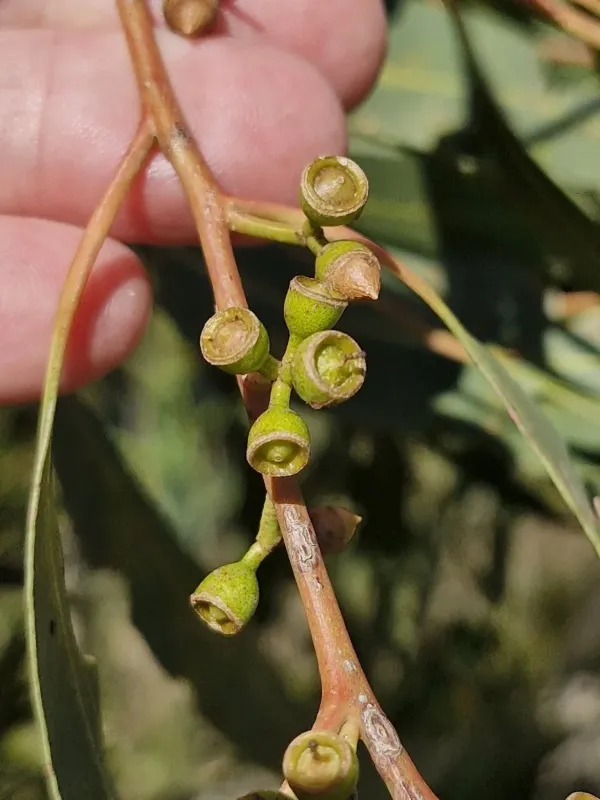
Description
Sowing dates
Eucalyptus bridgesiana, commonly known as the Apple Box, is propagated from seeds which require a period of stratification to improve germination rates. Sowing typically takes place in controlled greenhouse conditions in early spring.
The seeds should be sown on a fine, well-draining seed-starting mix. Because they are light-dependent for germination, they must not be buried deeply; a light dusting of vermiculite or grit is sufficient to hold them in place.
During the initial growth phase, consistent moisture is vital. Using a misting system or bottom-watering ensures that the small seeds are not displaced while maintaining the high humidity levels necessary for successful development.
Seedlings are ready for transplanting into individual containers once they reach a height of approximately 5-8 centimeters. Careful handling is required to avoid disturbing the fragile taproot system common in this species.
Acclimatization to outdoor conditions should be gradual over a period of 10 to 14 days before final planting in the permanent landscape site, ensuring the plants are hardened off to local sunlight and wind.
Growing requirements
Belonging to the Myrtaceae family, this species is well-regarded for its adaptability. It thrives in full sun positions and is capable of growing in a variety of soil types, including poorer soils, provided they are well-drained.
The tree prefers a temperate climate. While it possesses reasonable frost tolerance, especially as a mature tree, protection is necessary during the first few years of establishment in areas prone to hard frosts.
Watering requirements depend on the tree's maturity; young trees need regular irrigation to establish their root systems, whereas established trees are notably drought-tolerant once their deep roots reach groundwater.
Soil management should prioritize aeration. Compaction in the root zone is a common cause of poor performance in Eucalyptus species, so sites with heavy clay should be amended with organic matter to improve structure.
Minimal fertilization is required for this species. Over-fertilization, especially with high levels of phosphorus, can be detrimental to the health of many Australian native trees, including Eucalyptus bridgesiana.
Main diseases and pests
Fungal leaf spots and powdery mildew are the most frequent health issues, particularly in high-humidity climates or areas with poor air circulation around the canopy of the tree.
Pests such as lerps, scale insects, and various beetle larvae can target the foliage. These infestations are often manageable through biological controls or by maintaining the overall vigor of the tree.
Root rot, primarily caused by Phytophthora species, is the most severe threat to the tree's long-term survival. This is almost always linked to poor soil drainage and waterlogging.
Regular monitoring of leaf color and canopy density is essential for early detection of stress. Prompt intervention using appropriate horticultural oils can manage soft-bodied pest populations.
Maintaining a clean environment around the base of the tree and avoiding mechanical damage to the trunk helps prevent the entry of wood-boring insects and secondary infections.
Harvesting
Harvesting for commercial purposes usually focuses on foliage for the floral industry. Branches are pruned selectively to maintain the tree's structure while collecting fresh, juvenile or adult leaves.
For essential oil production, the harvest is timed to coincide with the peak oil content in the leaves. This is generally monitored through small-scale lab testing during the late summer months.
In forestry settings, the tree may be harvested for its timber. The wood is typically used for firewood, tool handles, or rough construction due to its moderate density and strength properties.
When harvesting timber, coppicing is a sustainable management practice that allows the tree to regenerate from the stump, ensuring a continued yield over several harvest cycles.
Proper storage of harvested foliage or wood is critical. Leaves must be kept in cool, shaded conditions to prevent rapid wilting and the loss of essential oils, while timber requires controlled seasoning.