
Escobaria deserti
Escobaria deserti
Description
Growing requirements
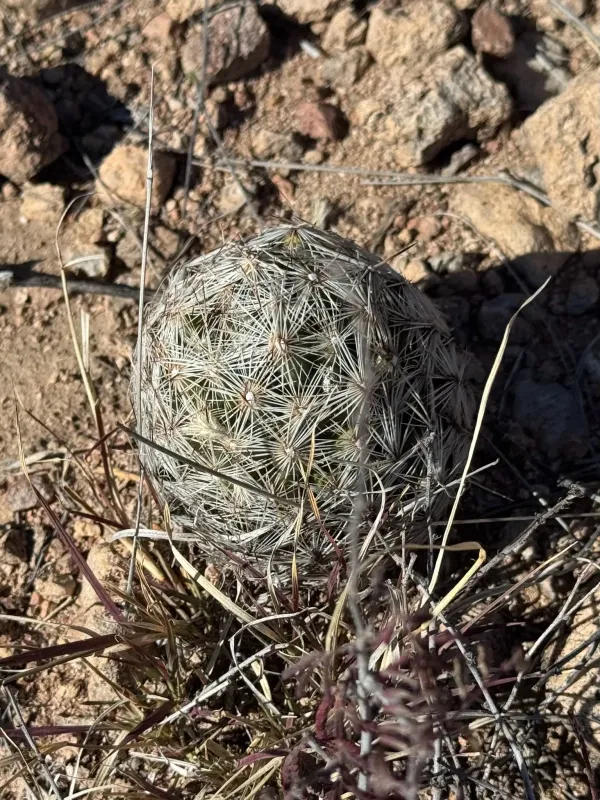
Escobaria deserti belongs to the Cactaceae family and is native to the arid environments of the North American deserts. This succulent is highly adapted to extreme conditions, featuring a compact, globose to cylindrical stem covered in intricate spines that offer protection against herbivores and high solar radiation.
For successful cultivation, this species requires a high amount of direct sunlight throughout the entire day. In greenhouse or indoor conditions, it is essential to ensure maximum light intensity to maintain the plant's natural morphology and avoid etiolation, which is the stretching of the stem due to lack of light.
The soil substrate must be highly porous and inorganic. A professional mix should consist of coarse sand, perlite, and small gravel, with only a minimal amount of organic matter like peat. Proper drainage is the most critical factor, as stagnant water is fatal to the plant's delicate root system.
The watering regime should be seasonal. During the active growing period, water only when the substrate has dried out completely. In winter, the plant enters a period of dormancy and must be kept in a dry and cool environment to encourage blooming and overall health.
This species is primarily cultivated for ornamental purposes in private collections and xeriscaping. Its ability to tolerate dry conditions and its attractive spination make it a desirable choice for desert-style garden designs and specialized greenhouse displays.
Main diseases and pests
The primary threats to Escobaria deserti are fungal pathogens that cause stem and root rot. These diseases are almost always the result of overwatering, improper soil mixtures, or high humidity combined with poor ventilation, which prevents the substrate from drying properly.
Common pests include the two-spotted spider mite, which is prone to attacking in dry and warm conditions, and mealybugs that can hide within the crevices of the tubercles. Regular inspections of the stem and the area around the base are necessary for early detection.
To prevent infestations, it is recommended to maintain good air circulation and follow a consistent cleaning schedule for the growing area. If pests appear, local application of insecticides or acaricides is the standard method for management, ensuring that all crevices are reached.
Another risk factor is the shock caused by repotting or significant environmental changes. It is advisable to handle the plant with care, as its roots are quite sensitive to damage, and any open wounds on the stem can become infection points for harmful bacteria.
Maintaining a stable environment throughout the year significantly improves the plant's resistance to both pests and diseases. By mimicking the natural fluctuations of its native habitat, you create the best possible conditions for the longevity and vitality of this cactus.