
Tufted California poppy
Eschscholzia caespitosa
Description
Sowing dates
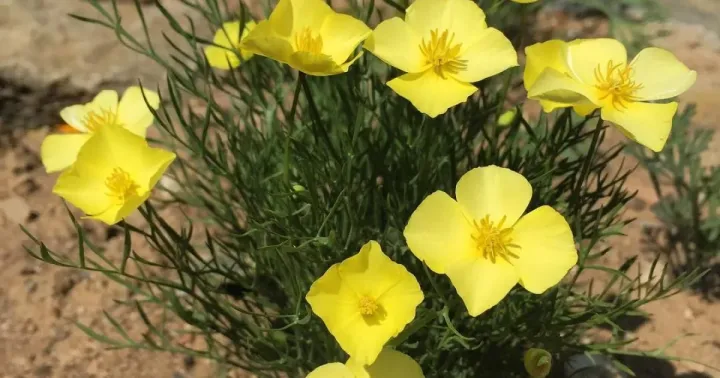
The Tufted California poppy (Eschscholzia caespitosa) is an annual herbaceous plant belonging to the Papaveraceae family. Unlike the common California poppy, this species is noted for its compact, tufted growth habit and delicate, bowl-shaped flowers.
Direct seeding in the garden is the standard method for establishing this crop. Because the plant develops a deep taproot, it is highly sensitive to transplanting, which is why professionals advise against starting seeds in nursery trays or containers.
The seeds are tiny and should be sown in early spring as soon as the soil becomes workable. They require a thin dusting of soil or sand, as they need a small amount of light to trigger germination, and should not be buried deeply.
Once seedlings emerge, thinning is a critical step to ensure airflow. Plants should be spaced approximately 20 to 25 centimeters apart to allow the development of a full, lush rosette and to minimize the risk of fungal infections caused by high humidity.
For gardeners looking for a longer flowering season, successive sowing is a great strategy. Planting seeds every two to three weeks will ensure a continuous supply of blooms throughout the late spring and early summer months.
Growing requirements
This species is a sun-loving plant that demands full exposure to sunlight. In partial shade, the stems become weak and leggy, and the vibrant flower production significantly drops, making proper site selection essential for a successful display.
Eschscholzia caespitosa is well-adapted to poor, rocky, or sandy soil conditions. It thrives where other garden plants might struggle, provided that the soil is exceptionally well-draining. Heavy, clay-based soils should be amended with grit to improve drainage.
One of the key traits of this plant is its remarkable drought tolerance. It requires very little supplemental watering once established, and overwatering is the quickest way to kill the plant, as wet feet lead directly to root rot.
Fertilization should be handled with caution. The Tufted California poppy is a "low-input" crop that thrives on poor soils. Excessive nitrogen will promote lush foliage but will drastically suppress the flowering process, leading to a green but unattractive plant.
The plant handles a variety of moderate temperatures well. It is resilient enough to cope with early spring chills, though it prefers dry, warm conditions during its peak bloom time to prevent the buds from failing to open properly.
Main diseases and pests
Disease pressure on this plant is generally low if the growing conditions are appropriate. Powdery mildew is the most common issue, usually occurring when stagnant air and high moisture levels are combined with overcrowding of the plants.
Aphids are the primary pest concern for this species. They often target the tender developing buds and stems. Early detection and treatment with mild soap solutions or botanical sprays are usually sufficient to control the infestation without the need for harsh chemicals.
Root rot is the most significant threat to the survival of the plant, almost always caused by poor soil drainage. It is imperative to avoid planting in low-lying areas where rainwater tends to collect after heavy storms.
Seedlings may be vulnerable to common garden pests like flea beetles, especially in hot, arid weather. Maintaining a consistent moisture level until the plants are fully established can help them outgrow the period of highest vulnerability.
In summary, the Tufted California poppy is a low-maintenance, hardy plant. By selecting a sunny spot with fast-draining soil and avoiding the temptation to over-fertilize or overwater, growers can enjoy healthy, prolific flowering for the whole season.