
Ertela trifolia
Ertela trifolia
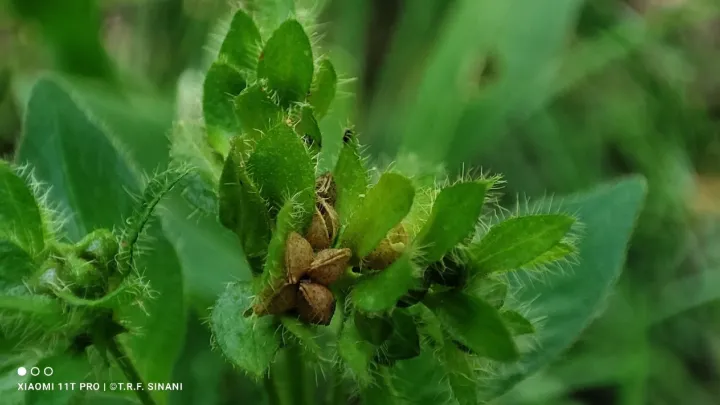
Description
Growing requirements
Ertela trifolia is a perennial plant species belonging to the Rutaceae family. It is native to tropical environments, primarily found in South and Central American regions where it thrives under forest canopies or in disturbed tropical habitats.
The plant requires well-drained, nutrient-rich soil to support its growth. In an agricultural setting, it is essential to ensure that the soil pH is slightly acidic to neutral, as this range optimizes nutrient availability for the plant's metabolic processes.
Regarding climatic needs, Ertela trifolia is strictly a tropical species. It requires consistent temperatures and high relative humidity to survive. Exposure to frost or prolonged chilly weather will lead to immediate tissue damage and eventual death of the plant.
Agrotechnical practices involve providing dappled sunlight or partial shade. While it can withstand some direct light, excessive sun exposure in arid conditions will cause leaf scorching and moisture loss, negatively affecting the overall plant architecture.
Botanically, it is characterized by trifoliate leaves and relatively small, actinomorphic flowers. The vegetative cycle is continuous in its native habitat, making it a potentially valuable botanical resource if managed with appropriate irrigation and climate control.
Main diseases and pests
Fungal pathogens represent the most significant threat to the health of the plants. Specifically, root rot caused by stagnant water conditions can destroy established populations rapidly. Proper spacing is required to ensure adequate airflow and prevent humidity-related infections.
Sucking insects, such as aphids and scale insects, frequently target the succulent parts of the stems and leaves. Their feeding activities cause chlorosis and stunted growth, which can severely reduce the potential yield of the crop in a commercial setting.
Nematodes are common soil-borne pests that can debilitate the plant by damaging its root system. Integrated pest management, including soil solarization or the use of resistant rootstock, is often recommended to mitigate this risk.
Mites can become problematic during the dry season or in environments with low humidity. They typically colonize the undersides of leaves, causing silvering or discoloration that impedes photosynthesis and weakens the plant structure.
Crop protection strategies must focus on prophylactic measures. Regular sanitation, including the removal of dead or diseased biomass, is crucial for limiting the spread of opportunistic pathogens and preventing pest outbreaks within the plantation.