
Ericalluna bealeana
Ericalluna bealeana
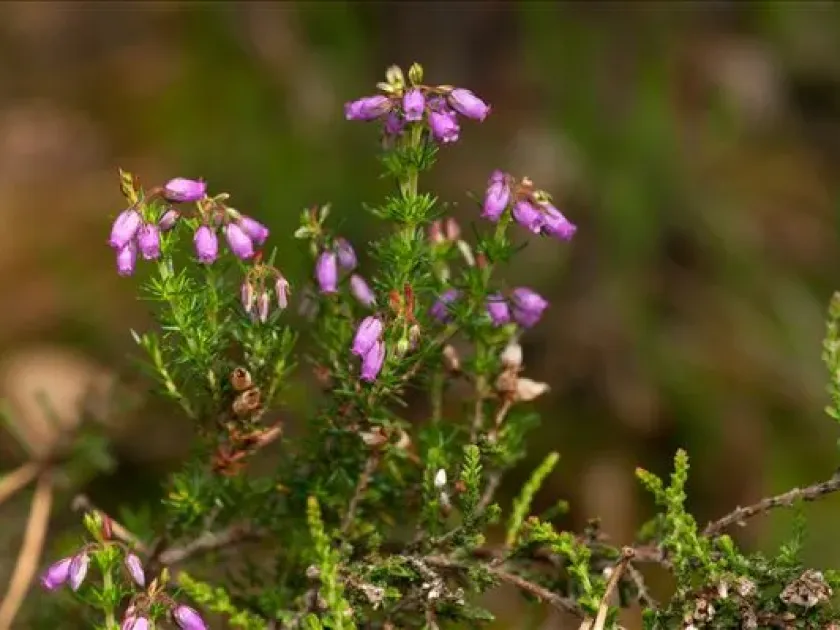
Description
Sowing dates
Sowing Ericalluna bealeana requires precise preparation to ensure optimal germination rates. The process should begin in early spring once the soil temperature is consistently above the required threshold for growth.
The seeds must be planted at a shallow depth to ensure they can break through the soil surface without expending excessive energy. Proper soil aeration is essential for the early stages of development.
In large-scale production, row planting is the preferred method, allowing for efficient use of mechanical tools for weeding and cultivation. Maintaining consistent spacing between rows promotes airflow.
Soil moisture at the time of sowing is crucial for uniform emergence. If natural precipitation is insufficient, controlled irrigation should be used to support the crop through its initial growth phase.
Once planted, the soil surface should be lightly compacted to improve seed-to-soil contact. This practice is vital for encouraging uniform growth and preventing the drying of the topsoil layer.
Growing requirements
This crop thrives in well-drained, fertile soil with a balanced nutrient profile. Incorporating organic matter prior to planting enhances soil structure and supports long-term plant health.
Light exposure is a significant factor in the successful cultivation of Ericalluna bealeana. It requires an open environment with full sunlight to achieve its maximum physiological potential and yield quality.
Water management must be balanced to avoid the pitfalls of both drought and waterlogging. Drip irrigation systems are highly recommended to provide a steady supply of moisture directly to the root zone.
The ideal temperature range for this species is moderate, requiring protection from extreme heat spikes. Use of mulching or protective covers can help regulate soil temperature during hot weather.
Balanced fertilization is key to optimal development. Excessive nitrogen should be avoided as it may lead to overly vegetative growth, which can diminish the economic value of the harvested produce.
Yield
Maximizing yield depends on strict adherence to agronomical best practices throughout the growing season. Early detection of growth constraints allows for corrective measures that safeguard productivity.
Yield consistency is closely linked to the density of planting. Farmers should strive for an optimal balance that minimizes plant-to-plant competition while maximizing the number of harvestable units.
Supplemental micro-nutrients, when applied during key development stages, can lead to substantial increases in the size and quality of the final harvest. These applications must be carefully timed.
Regular monitoring of field conditions, including soil moisture and weed prevalence, ensures that the crop has uninterrupted access to the resources needed for robust growth.
Final yield estimates are evaluated post-harvest, reflecting the overall success of the cultivation strategy and the effectiveness of management interventions applied throughout the cycle.
Main diseases and pests
Fungal diseases are a primary concern, particularly during periods of high humidity. Proactive fungicide programs are essential for mitigating the risk of widespread crop loss and ensuring healthy foliage.
Pest management involves a combination of monitoring and targeted interventions. Leaf-eating insects can cause significant damage, necessitating the use of integrated pest management strategies.
Crop rotation is a fundamental tool for managing soil-borne pathogens. By switching crop families, farmers can significantly reduce the risk of re-infestation and promote long-term soil fertility.
Biocontrol agents are increasingly being used as a sustainable alternative to traditional chemicals. These natural predators can maintain pest populations at manageable levels without harming the environment.
Early identification of health issues is critical for a successful harvest. Routine field inspections allow for quick response times and localized treatment strategies, saving resources and crop quality.
Harvesting
Harvesting is conducted when the crop reaches the designated stage of physiological maturity. Timing is essential, as waiting too long can result in degradation of the produce's quality and shelf-life.
Advanced mechanical harvesters are typically used to optimize the harvest process in larger fields. Proper calibration of equipment is necessary to ensure the produce is collected without physical damage.
Immediate post-harvest processing, including cleaning and sorting, is vital for maintaining product integrity. This prepares the crop for either immediate transport or storage in controlled environments.
The storage phase requires precise control of temperature and humidity to prevent spoilage and weight loss. Proper facilities ensure the produce remains market-ready for as long as possible.
Shipping logistics must be handled with care to prevent mechanical shock or excessive heat exposure. Use of well-ventilated containers is essential to maintaining the quality of the goods during transit.