
Erica ventricosa
Erica ventricosa
Description
Growing requirements
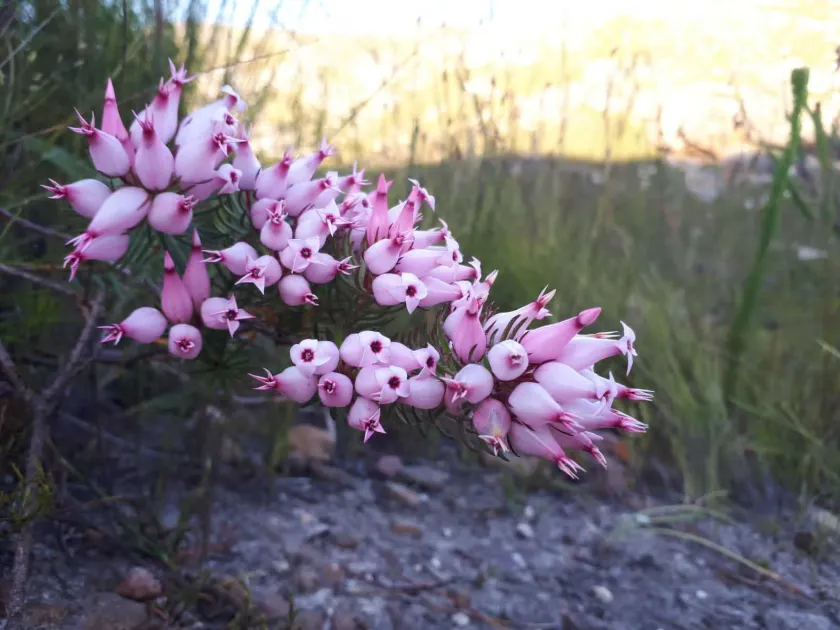
Erica ventricosa, commonly known as the Wax Heath, is a distinctive shrub belonging to the Ericaceae family. Originally native to the Cape region of South Africa, it is highly prized for its unique, waxy, bell-shaped flowers that appear in dense clusters.
This species requires highly acidic, well-draining soil to thrive. Gardeners should avoid standard potting mixes, opting instead for a specialized mixture consisting of peat moss, coarse sand, and organic matter like pine needles to replicate its natural environment.
Light requirements for this plant include bright, indirect sunlight. While it appreciates good illumination, the intense heat of midday sun can scorch the delicate foliage, so placement in a spot with dappled shade or eastern exposure is usually ideal.
Temperature control is critical, as the plant is not frost-hardy in colder zones. During the active growing season, it prefers moderate temperatures, while in the winter months, a cool but frost-free environment is necessary to trigger the flower bud development.
Watering must be done with precision. The soil should be kept consistently moist but never waterlogged. Always use distilled or rainwater, as Erica ventricosa is extremely sensitive to tap water minerals, which can rapidly alter the soil pH and cause health decline.
Main diseases and pests
Root rot is the most common threat to this shrub, often caused by overwatering or poor drainage. Once roots begin to decay, the plant is difficult to save, making the prevention of waterlogged soil the primary priority for every grower.
Spider mites are a persistent pest, especially in indoor or greenhouse settings where air humidity might be low. They thrive in dry conditions and can quickly drain the plant's vitality, leading to yellowing leaves and premature leaf drop.
Powdery mildew can affect the foliage if there is poor ventilation. This fungal disease appears as a white, dusty coating on the leaves and stems, requiring immediate treatment with appropriate fungicides and better airflow management.
Scale insects are another potential pest that can attach to the stems and branches. These pests are often hidden beneath protective shells, making manual removal and systemic insecticidal treatments necessary for successful control and recovery.
Maintaining high hygiene standards in the growing area is essential. Regularly removing dead plant material and ensuring clean tools helps reduce the risk of secondary infections and pest infestations throughout the plant's lifecycle.