
Erica speciosa
Erica speciosa
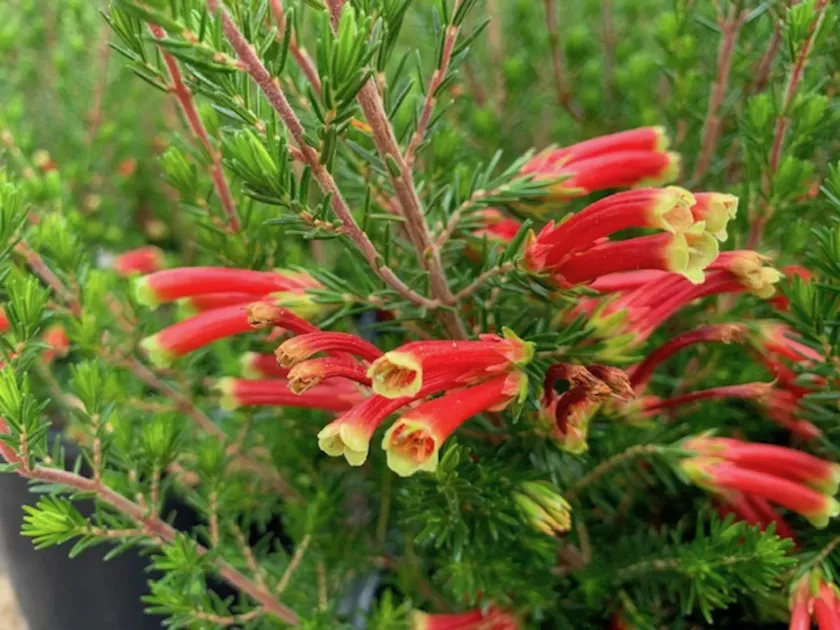
Description
Growing requirements
Erica speciosa is a distinctive evergreen shrub belonging to the Ericaceae family. Known for its elegant, tubular flowers and needle-like leaves, it serves as a highly ornamental species in botanical collections.
Native to the South African region, specifically the Cape provinces, this species is naturally adapted to nutrient-poor, sandy soils found on mountain slopes. This evolutionary background dictates its strict requirements for cultivation.
The primary prerequisite for successful growth is an acidic soil medium with a pH level between 4.5 and 5.5. The potting mix must be exceptionally well-draining, consisting of peat, sand, and perlite to prevent root asphyxiation.
Climate management is crucial, as Erica speciosa prefers cool, temperate conditions with high ambient humidity. It is sensitive to extreme heat and prolonged freezing temperatures, often necessitating greenhouse or indoor cultivation in non-native climates.
Cultural practices include consistent watering with deionized or rainwater. Mineral-rich tap water should be strictly avoided, as the accumulation of salts and lime can irreversibly damage the delicate root hairs of the plant.
Main diseases and pests
The most significant threat to Erica speciosa is Phytophthora root rot, which thrives in poorly drained, waterlogged substrates. This disease often causes sudden collapse and requires immediate plant removal and soil disinfection.
Fungal infections such as Botrytis may occur if air circulation is inadequate, leading to gray mold on foliage and buds. Increasing space between plants and improving airflow are primary prevention strategies.
Common pests include spider mites and mealybugs, which are particularly prevalent in dry, indoor environments. These insects weaken the plant by feeding on sap, often leading to secondary viral or fungal infections.
Aphids can occasionally cluster on tender new shoots during the spring growth phase. While generally manageable, they should be removed promptly to prevent the spread of sooty mold on the leaves.
Effective pest management relies on Integrated Pest Management (IPM) practices, emphasizing biological controls and minimizing the use of broad-spectrum pesticides to protect the plant's sensitive root system.