
Erica haematosiphon
Erica haematosiphon
Description
Growing requirements
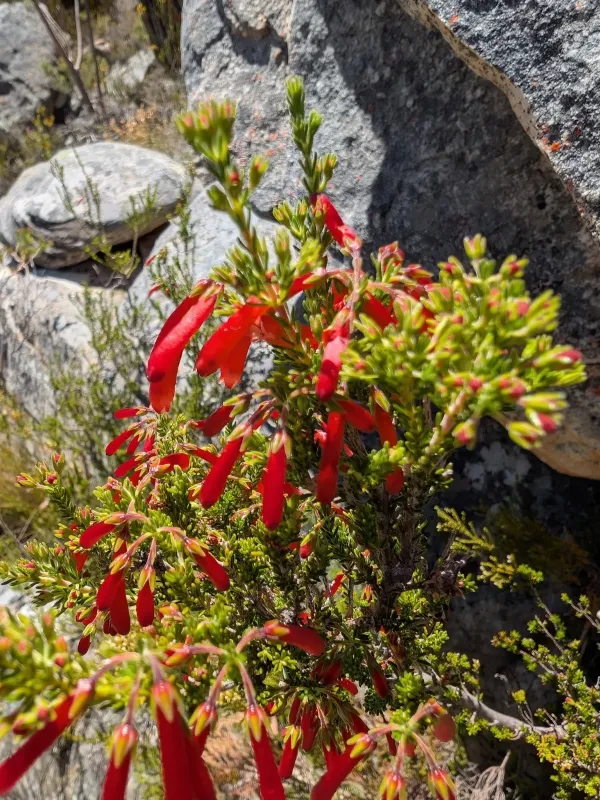
Erica haematosiphon is a distinctive member of the Ericaceae family, native to the diverse floral landscapes of Southern Africa. This evergreen shrub is prized for its unique morphological features, which align with the specialized adaptations of the genus to specific environmental niches.
From an agronomical perspective, this crop requires acidic, well-draining soil to thrive. The substrate must be free of limestone and heavy clay components to ensure the health of the root system, which is particularly sensitive to soil compaction and alkaline pH levels.
Climatic requirements involve moderate temperatures and sufficient light exposure. In horticultural practices, it is essential to mimic its natural environment by providing full sun or light shade, ensuring that the plant receives protection from harsh, drying winds during the growing season.
Maintenance and care protocols dictate the use of soft, low-mineral water for irrigation. Fertilization should be handled with caution; organic fertilizers or specialized formulations for ericaceous plants are recommended to maintain soil acidity while avoiding salt accumulation.
The primary utility of Erica haematosiphon is ornamental. It is frequently employed in specialized rock gardens, heather displays, and container gardening, offering unique aesthetic value through its structural form and delicate, tubular floral arrangements.
Main diseases and pests
The most common biological threats include root rot pathogens caused by improper drainage and irrigation management. Furthermore, the plant is susceptible to various mite infestations and fungal leaf spots, which require timely monitoring and integrated pest management strategies to maintain plant vigor.