
Eremosyne pectinata
Eremosyne pectinata
Description
Growing requirements
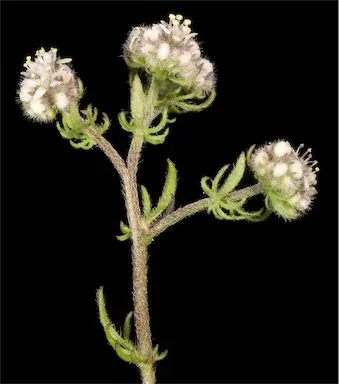
Eremosyne pectinata is the sole species within the genus Eremosyne, belonging to the Eremosynaceae family. This small annual herbaceous plant is endemic to the southwestern regions of Western Australia, where it is found in very specific, often isolated habitats such as granite outcrops and crevices.
The morphology of the plant is defined by a basal rosette of leaves and slender stems ending in distinctive pectin-like (comb-shaped) inflorescences. This unique structural feature is a key identification marker, distinguishing it from other ephemeral herbs present in the Australian mediterranean-climate zone.
Regarding growth requirements, this species demands well-drained, nutrient-poor, rocky substrates that mimic the natural weathering products of its endemic granite environments. It is highly intolerant of soil compaction and requires excellent aeration to prevent root rot, especially during the wetter months of the year.
The climate preference for this culture is characterized by cool, wet winters followed by a hot, dry summer. As an annual, the plant completes its life cycle rapidly, synchronizing its germination and flowering phases with the arrival of seasonal rains, which is essential for ensuring successful seed set before the arid summer sets in.
At present, Eremosyne pectinata does not possess significant agricultural or commercial utility. Its status remains that of a botanically significant native species, cultivated mostly for scientific study and conservation purposes. Research into its survival mechanisms might offer insights for future studies regarding drought-resilient plant adaptations in changing climates.