
Eremomastax speciosa
Eremomastax speciosa
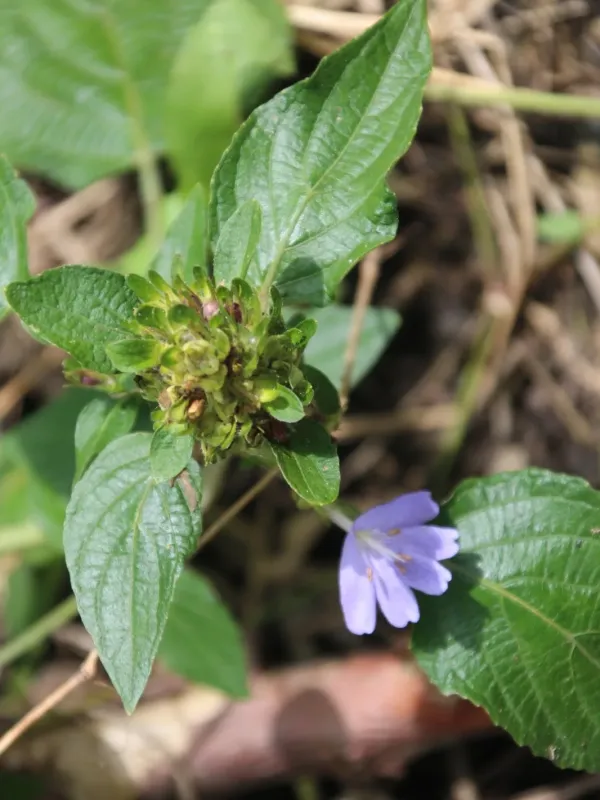
Description
Growing requirements
Eremomastax speciosa is a perennial herbaceous plant belonging to the Acanthaceae family. Native to the tropical regions of sub-Saharan Africa, it is primarily found in humid forest environments and shady natural habitats.
The plant thrives in tropical climates characterized by high atmospheric humidity and constant warm temperatures. It is highly adapted to low-light conditions, making it an excellent choice for shaded or semi-shaded agricultural plots in tropical regions.
Cultivation requires fertile, well-draining soils rich in organic matter. Maintaining consistent soil moisture is crucial for the optimal development of the plant, as it lacks significant drought tolerance mechanisms common in xerophytic species.
Botanically, the plant is recognized for its large, distinctive foliage and tubular flowers arranged in spike-like inflorescences. The morphology of the species allows it to compete for light effectively within the dense canopy layers of its native forest ecosystem.
Economic and household usage revolves around its traditional medicinal applications. Extracts from the leaves and roots are utilized in local healthcare practices to address various inflammatory and infectious conditions, highlighting the plant's ethnomedicinal value.
Main diseases and pests
The primary threats to Eremomastax speciosa are fungal pathogens that thrive in conditions of excessive humidity and poor ventilation. Root rot is a common issue if the soil water balance is not carefully managed throughout the growing season.
In terms of pests, spider mites and aphids are the most significant threats, particularly when the plant is grown in greenhouse environments. These pests feed on sap, which weakens the plant and stunts leaf production.
Whiteflies can also pose a risk, as they act as vectors for various plant viruses that can significantly reduce the quality and biomass of the harvest. Integrated pest management, focusing on biological control agents, is recommended.
Sanitation is a key component of the cultivation strategy. Regularly removing senescent leaves and maintaining optimal spacing between individual plants help reduce the prevalence of pathogens and improve overall crop health.
Monitoring for signs of stress, such as yellowing or necrotic spots on leaves, is essential for proactive management. Maintaining appropriate environmental conditions remains the most effective defense against the majority of biological threats.