
Eremodaucus lehmannii
Eremodaucus lehmannii
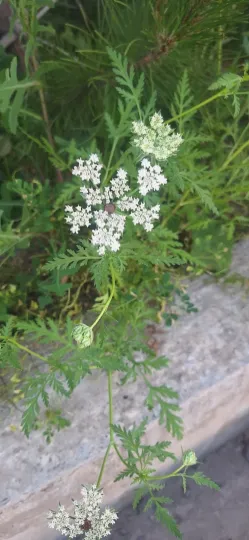
Description
Sowing dates
Eremodaucus lehmannii is a unique representative of the Apiaceae family, primarily adapted to the harsh environmental conditions of Central Asia.
Sowing in agricultural settings requires precision in timing to align with the natural germination cycle, typically performed in late autumn.
The seeds should be sown at a depth that protects them from drying out while allowing for emergence as soon as temperatures stabilize.
Row spacing must account for the plant’s growth habit to ensure adequate air circulation and to minimize competition for soil nutrients.
Soil preparation should focus on maintaining a fine seedbed texture to ensure maximum seed-to-soil contact during the initial planting phase.
Growing requirements
The plant demonstrates excellent performance in arid and semi-arid environments, favoring loose, sandy soils with high drainage properties.
Eremodaucus lehmannii thrives under full sun exposure, requiring high light intensity to support its metabolic processes throughout the growing season.
It exhibits remarkable salinity tolerance, making it a viable candidate for land reclamation in regions with poor soil quality.
Water requirements are minimal due to the plant’s xerophytic nature; excessive moisture management is essential to prevent root zone stress.
The climate requirement involves continental temperatures, as the plant has evolved to survive significant diurnal temperature fluctuations.
Main diseases and pests
The botanical profile of the plant includes various phytochemicals that serve as a natural defense against common insect herbivory.
Root health is the primary concern for growers, as waterlogged conditions almost inevitably lead to fungal pathogens and root rot.
Potential threats include opportunistic pests that may target stressed plants, making crop vitality and stress reduction key strategies.
Monitoring for signs of wilting is critical, as it serves as an early warning for potential soil-borne fungal or bacterial issues.
Cultural practices, such as proper crop rotation and spacing, significantly reduce the incidence of disease outbreaks within the plantation.