
Eranthis pinnatifida
Eranthis pinnatifida
Description
Growing requirements
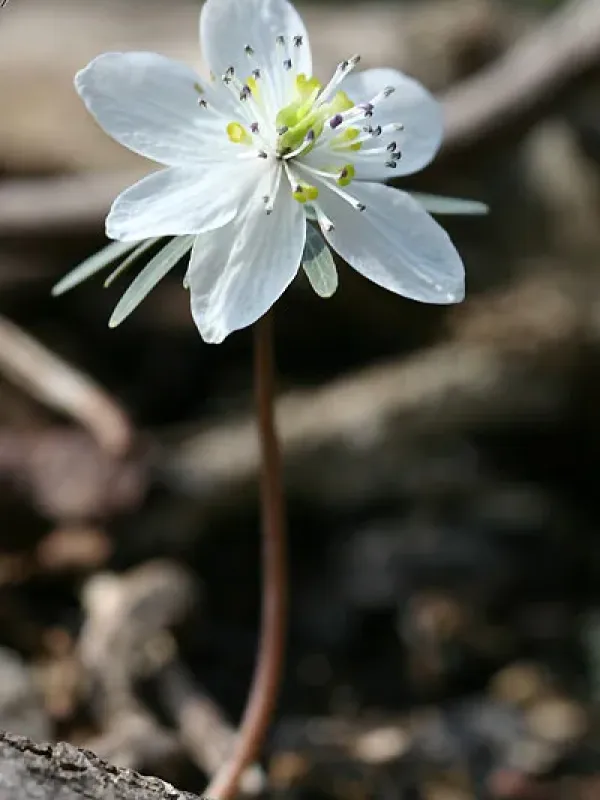
Eranthis pinnatifida, a member of the Ranunculaceae family, is a rare woodland perennial native to Japan. It is highly sought after by collectors for its elegant, white, feathery flowers that bloom in early spring, signaling the transition from winter dormancy.
Cultivation requires specific environmental conditions that mirror its natural forest habitat. The plant thrives in semi-shaded areas, typically beneath the canopy of deciduous trees where it can receive filtered light during its early growth stage before leaf-out occurs.
The ideal growing medium is a well-draining, nutrient-rich soil that is high in organic matter. Adding leaf mold or well-rotted compost is essential to enhance soil structure, while the inclusion of coarse grit ensures adequate drainage, which is vital to prevent tuber rot.
Temperature management is critical for the long-term survival of this species. It prefers cool, moist spring conditions and a relatively dry summer dormancy. In warmer climates, it is essential to provide shade and adequate air circulation to prevent overheating of the underground tubers.
Regular maintenance involves keeping the soil consistently moist during the active growing season. Once the foliage begins to yellow and die back naturally, watering should be reduced significantly to allow the plant to enter a successful period of summer dormancy.
Main diseases and pests
The primary concern for growers of Eranthis pinnatifida is fungal infection, particularly root rot, which is often exacerbated by poorly draining soils or excessive irrigation. Ensuring a perfectly balanced soil moisture level is the most effective preventative measure.
Pests such as slugs and snails represent a major threat, particularly to the emerging shoots in early spring. These mollusks can cause significant damage in a short period, necessitating the use of traps or physical barriers to protect the developing plants.
Small rodents, such as voles or mice, may find the tubers appetizing during the winter months. Protecting bulbs with wire mesh cages during planting is a common and highly effective agronomic practice to prevent these animals from consuming the rootstock.
Aphids can occasionally be a problem on young, succulent leaves, leading to stunted growth. Early detection and the application of gentle insecticidal soaps or biological controls are recommended to manage populations without harming the sensitive plant tissues.
Overall plant vigor is maintained through good hygiene, including the removal of dead foliage after it has fully withered. Proper spacing also helps to increase airflow, which significantly reduces the risk of fungal outbreaks in the dense foliage canopy.