
Epiphronitis veitchii
Epiphronitis veitchii
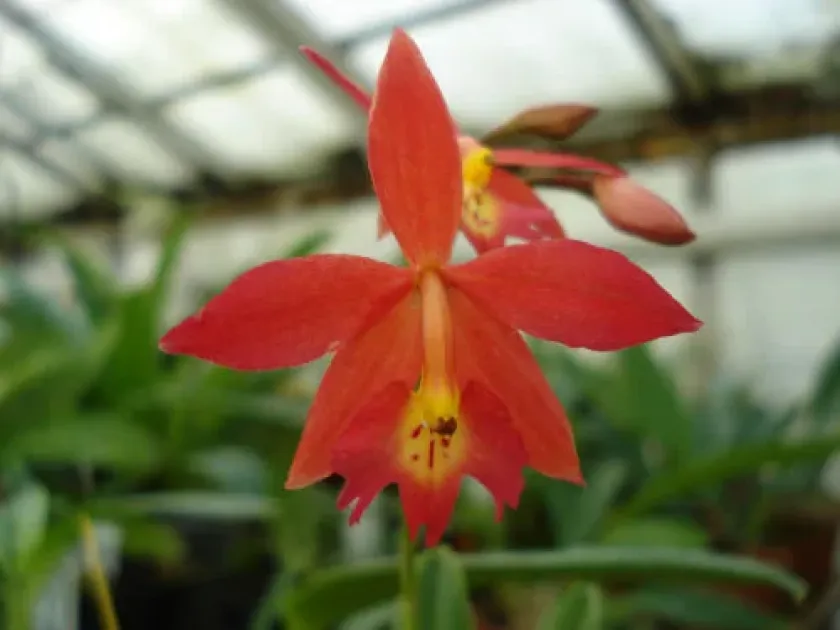
Description
Growing requirements
Epiphronitis veitchii is a sophisticated intergeneric hybrid orchid resulting from the cross-breeding of Epidendrum radicans and Sophronitis coccinea. As a member of the Orchidaceae family, it displays typical epiphytic characteristics, requiring specialized care to thrive.
The climate requirements for this orchid revolve around consistency. It prefers a temperate environment where daytime temperatures remain between 18°C and 24°C, avoiding any abrupt fluctuations that could stress the plant or inhibit its flowering cycle.
Regarding light, this plant thrives under bright, filtered light conditions. Excessive direct sunlight can easily scorch the foliage, while insufficient light leads to weak, spindly growth. A location near a bright window with a sheer curtain is often ideal for domestic cultivation.
The substrate must be designed to mimic the natural environment of an epiphyte. A mix of pine bark, charcoal, and sphagnum moss provides the necessary aeration and moisture retention. Proper drainage is essential to ensure that water does not pool at the base of the roots.
Watering should be performed carefully, using soft water to prevent salt accumulation in the root zone. During the active growing season, consistent moisture is vital, while a slight reduction in watering frequency is recommended during the winter dormancy period.
Main diseases and pests
Fungal infections, particularly root and stem rot, are the primary threats to the health of Epiphronitis veitchii. These issues are almost exclusively caused by overwatering or inadequate airflow in the potting medium.
Pests such as scale insects and spider mites are frequent adversaries. These organisms can quickly drain the plant's vitality. Regular inspections and immediate quarantine of affected plants are necessary to control spread.
Chemical control should be approached with caution; use systemic insecticides specifically labeled for orchid use, ensuring that concentrations remain within the manufacturer's safety recommendations to prevent foliage damage.
High humidity is beneficial, but without proper ventilation, it can lead to mold or bacterial leaf spot. Ensuring a light breeze or utilizing a small fan in the cultivation area can significantly reduce the risk of these pathogens.
Sanitation is a critical component of pest and disease management. Always sterilize pruning tools and remove any decaying plant matter promptly to keep the growing environment healthy and clean.